Guide
Oysters in Marbella: Where to Eat Them and How to Choose
By Diogo BritoPublished 16 min read
Where to eat fresh oysters in Marbella, how seven French oysters from Gillardeau to Tarbouriech differ, what the numbers on the label mean, and how to eat and pair them properly.
Your table in three steps
Step 1 of 3
- When
- Guests
- Details
In this guide
- Where to Eat Fresh Oysters in Marbella
- Why the Best Oysters in Marbella Are French
- Gillardeau, Amélie, Geay, Tarbouriech: Seven French Oysters
- Oyster Comparison: Which One Should You Order?
- What Oyster Numbers, Fine de Claire and Spéciale Mean
- How to Eat an Oyster Properly
- What to Drink with Oysters
- How Fresh Oysters Should Look and Be Served
- Oysters at DioGo's in Puerto Banús
Where to Eat Fresh Oysters in Marbella
The short answer: at a seafood restaurant that opens its oysters to order, keeps them on ice and can tell you exactly which producer each one comes from. Marbella has plenty of places with oysters on the menu, from beach clubs to hotel bars, but the oyster itself is only half the story. The other half is how it was stored, and how long ago it was opened.
A good oyster place is easy to recognise once you know what to look for. The oysters arrive at the restaurant closed and alive, and they are opened in the minutes before they reach your table, still full of their own clear seawater. The menu names the oyster rather than just saying "oysters": a producer, a type, often a size number. And whoever serves you can explain the difference between two of them without reading it off a card.
Timing matters too. Oysters are at their best as the first thing on the table, before anything grilled or rich reaches your palate. They also make one of the lightest lunches you can have on a hot day on the Costa del Sol: half a dozen oysters, a glass of cold white wine, and nothing heavy to sleep off in the afternoon.
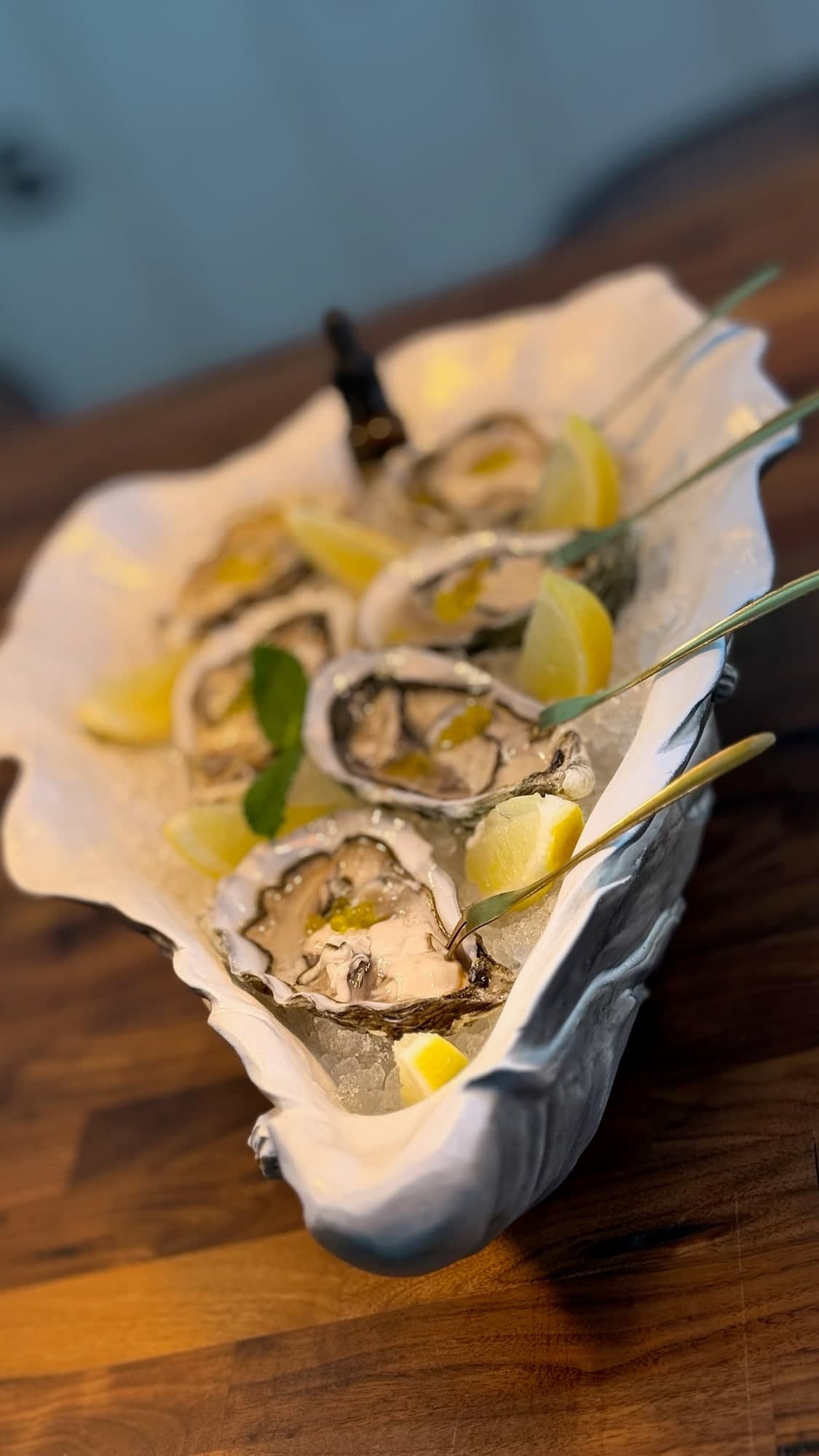
In Puerto Banús, DioGo's Seafood, Meat & Wine serves seven French oysters, from Gillardeau on the Atlantic coast to Tarbouriech from the Mediterranean lagoon of Thau, and every one is opened to order. This guide explains how those oysters differ, how to read an oyster label, how to eat an oyster properly and what to drink with it, so you can order with confidence wherever you sit down. For lobster, prawns and the rest of the shellfish menu, see our guide to seafood in Marbella.
Why the Best Oysters in Marbella Are French
Almost every serious oyster list on the Costa del Sol is French, and there are good reasons for it. France is by far the largest oyster producer in Europe, and French oyster farmers have spent generations refining how oysters are grown, finished, graded and named. Spain farms oysters too, notably in Galicia and the Ebro Delta, but when a restaurant in Marbella wants a range of named, graded oysters with distinct characters, it usually looks north.
Three French regions explain most of what you will see on a menu here. Marennes-Oléron, on the Atlantic coast near La Rochelle, is the best-known oyster basin in France and home to many family houses, including Gillardeau and Geay. It is also the home of the claires, the shallow clay ponds where oysters are finished and which give fine de claire its name. Brittany, further north, grows oysters in strong tides and cold water, and they tend to be saltier and more direct. On the Mediterranean, the Thau lagoon near Sète raises oysters in calm, almost tideless water, and that is where Tarbouriech comes from.
Each place leaves its mark on the taste. Oysters finished in the claires tend to be rounder and sweeter; tidal Atlantic oysters taste more of salt and iodine; lagoon oysters from Thau are often firm, with a gentle sweetness. French oysters also travel with paperwork. In the European Union, every batch of live oysters carries a label showing where it was packed and when, so a proper restaurant can always tell you where your oysters came from. If nobody can, that tells you something too.
Gillardeau, Amélie, Geay, Tarbouriech: Seven French Oysters
The seven oysters on the menu at DioGo's come from four French producers. Gillardeau, Amélie and Geay are from France's Atlantic coast; Tarbouriech is from the Mediterranean. Together they cover the whole range, from a small, delicate oyster for a first taste to a meaty spéciale for someone who already knows exactly what they like.
The tasting notes below follow the way the restaurant describes each oyster on its full menu. Read them as a map rather than a rulebook: oysters change a little with the season and the water, and the best way to learn the differences is to order two or three side by side and taste them in turn.
Why seven, and not one house oyster? Because a single oyster tells you very little. Put a Fine de Claire next to a Spéciales No. 3 and the difference between a pond-finished oyster and a meaty one is obvious in two bites. Put Gillardeau next to Tarbouriech and you taste the Atlantic against the Mediterranean. A list like this is less about luxury than about giving you something to compare.
Gillardeau
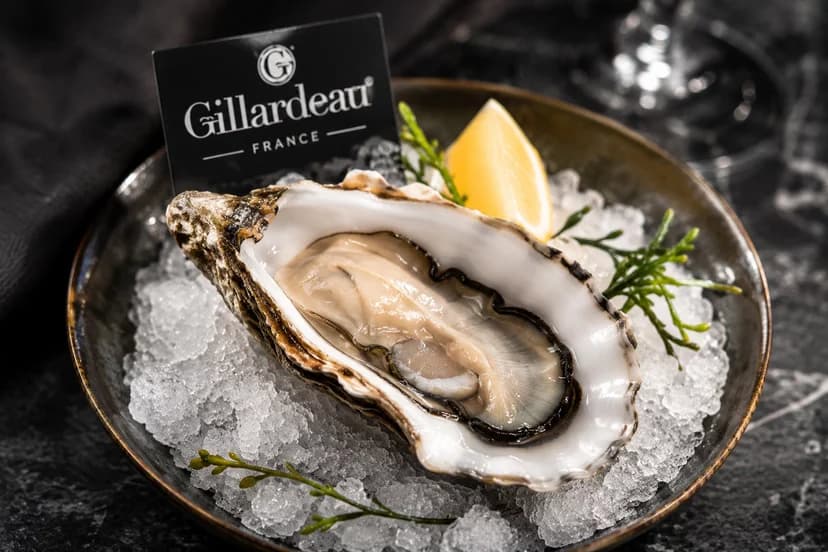
The best-known name in French oysters, from a family house in Marennes-Oléron. Exceptionally delicate in texture, with balanced minerality and a refined taste of the open ocean. Many Gillardeau shells carry a small engraved G.
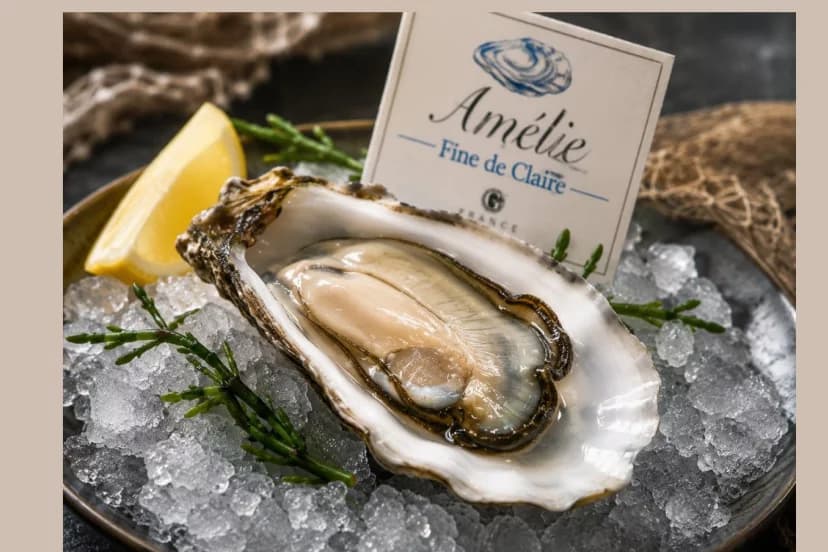
Amélie Fine de Claire
An Atlantic oyster finished in shallow clay ponds. Delicate and fresh, with a subtle sweetness and a clean mineral finish: a good oyster to start with if you are unsure.
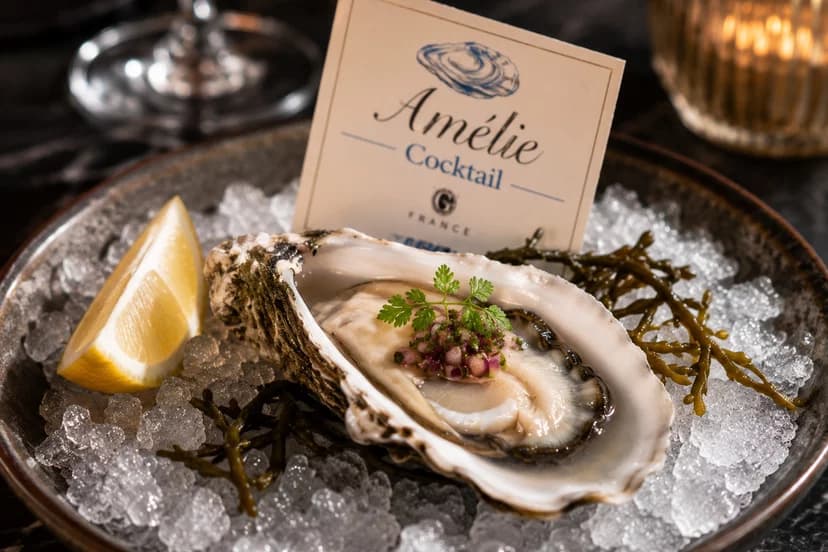
Amélie Cocktail
Fresh and delicate, with a smooth finish of the sea. An elegant, easy oyster, and an interesting one to taste next to the Fine de Claire from the same house.
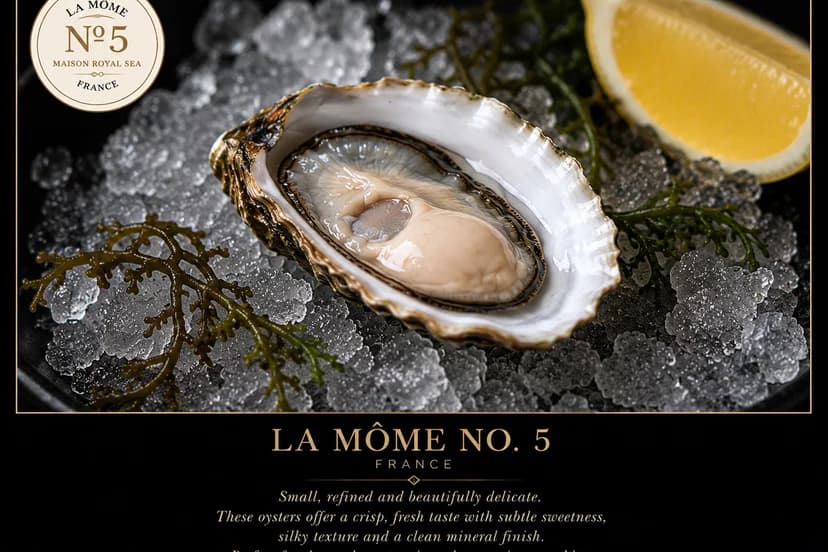
Geay La Môme No. 5
Môme is French slang for a little one, and this is a size 5, the smallest standard size. Clean, fresh and lightly sweet with a silky finish: the natural choice for a first oyster.
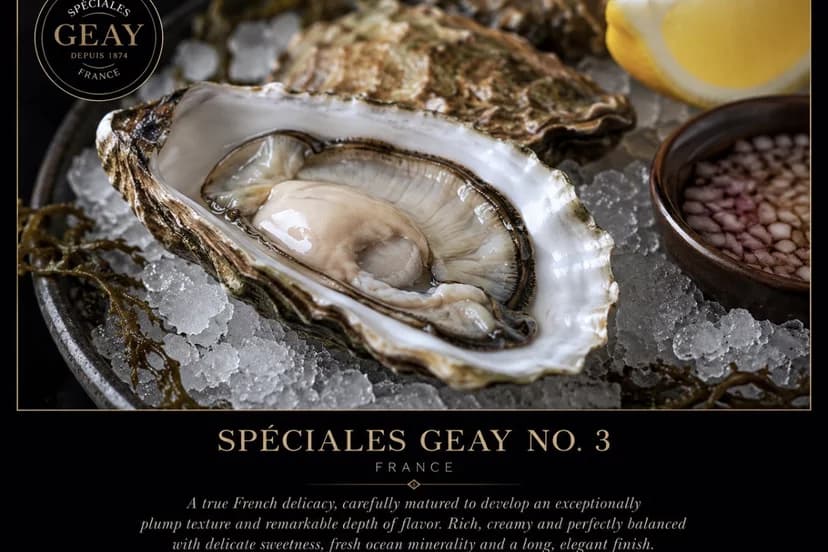
Geay Spéciales No. 3
A spéciale, so meatier than a standard oyster, and a size 3, so generous. Firm, fleshy texture, gentle sweetness against crisp ocean minerality, and a clean finish that lingers.
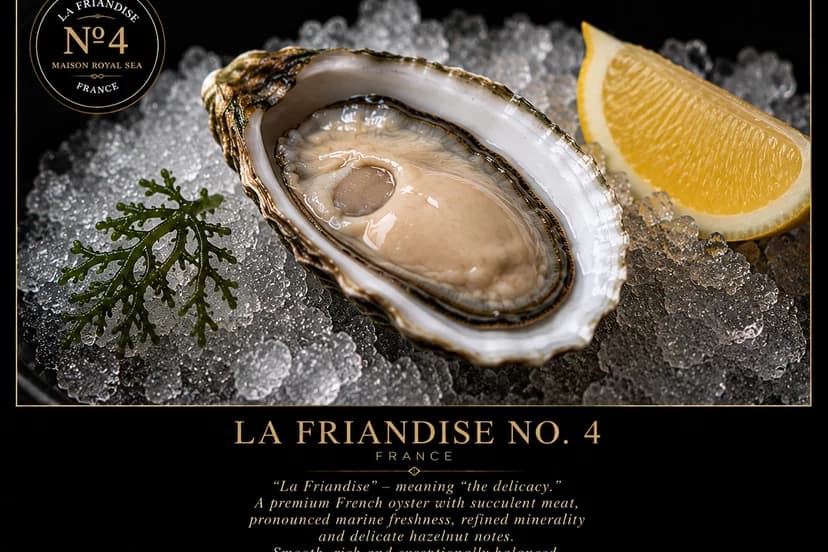
Geay La Friandise No. 4
Friandise means a treat, a little delicacy. Plump, juicy meat, a rich taste of the sea and fine mineral notes with a gentle hint of hazelnut. Smooth and elegant.
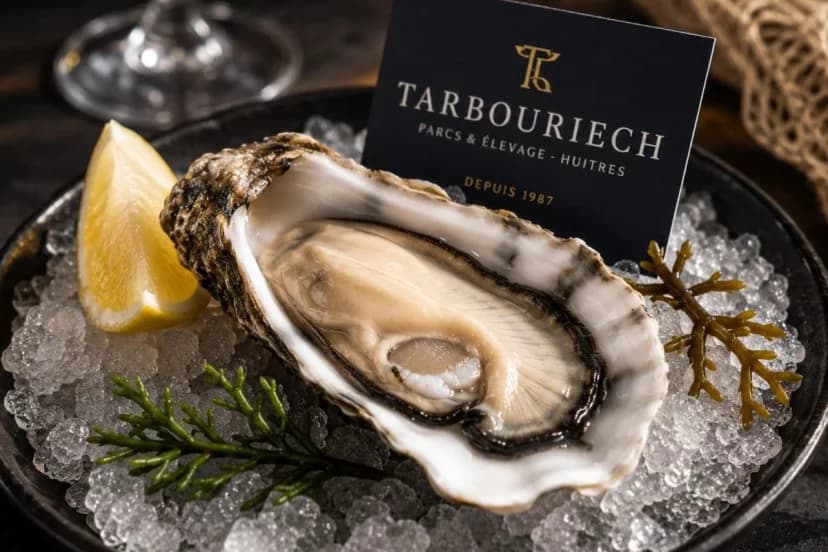
Tarbouriech
The Mediterranean oyster of the list, from the Thau lagoon. Dense, almost crunchy flesh and a balanced taste, lightly iodised and slightly sweet. A top-of-the-range oyster.
Hungry already?
Book your table now, it takes less than a minute. We confirm within about 15 minutes.
Oyster Comparison: Which One Should You Order?
If you read only one part of this guide, make it this table. It puts all seven oysters side by side: who produces them, what the label tells you, how they taste and who they suit.
Two quick rules make it easier to use. If you are nervous about oysters, start small and mild: La Môme No. 5 or one of the Amélies. If you already love them, go for texture and depth: the Spéciales No. 3, La Friandise No. 4 or a Gillardeau. Tarbouriech sits in its own corner as the Mediterranean oyster, firm and dense, with a gentler iodine note than many Atlantic ones.
A mixed plate is the best way to find your oyster. Six oysters in three varieties, two of each, is enough: by the second pair you will know whether you prefer sweetness, salt or bite, and your next order will be easy.
| Oyster | Producer and area | Size or label | Taste | Choose it if you like |
|---|---|---|---|---|
| Gillardeau | Gillardeau, Marennes-Oléron (Atlantic) | The producer's own grade | Delicate texture, balanced minerality, refined ocean flavour | A benchmark French oyster |
| Amélie Fine de Claire | Amélie, French Atlantic coast | Fine de claire: finished in clay ponds | Fresh, subtle sweetness, clean mineral finish | A milder, rounder oyster |
| Amélie Cocktail | Amélie, French Atlantic coast | The house's Cocktail oyster | Fresh, delicate, smooth finish | Something light and easy |
| Geay La Môme No. 5 | Geay, Marennes-Oléron (Atlantic) | Size 5, the smallest | Clean, lightly sweet, silky | Your very first oyster |
| Geay Spéciales No. 3 | Geay, Marennes-Oléron (Atlantic) | Spéciale, size 3 | Meaty, sweet and mineral, long finish | A fleshy, substantial oyster |
| Geay La Friandise No. 4 | Geay, Marennes-Oléron (Atlantic) | Size 4, medium | Plump, rich, mineral, hint of hazelnut | A rich oyster with a nutty note |
| Tarbouriech | Tarbouriech, Thau lagoon (Mediterranean) | The producer's name | Dense, crunchy, lightly iodised, slightly sweet | Firm texture and a softer salt |
What Oyster Numbers, Fine de Claire and Spéciale Mean
French oyster labels look cryptic, but they follow a simple system. The number is the size, and it runs backwards: the lower the number, the bigger the oyster. Cupped oysters are graded by weight from No. 0, the largest, to No. 5, the smallest. As a rough guide, a No. 3 weighs about 66 to 85 grams, a No. 4 about 46 to 65 grams and a No. 5 about 30 to 45 grams. Bigger is not better, just different: a small oyster is one clean bite, a large one is something to chew.
Fine de claire describes how the oyster was finished. After growing at sea, it spends at least four weeks in the claires, the shallow clay-bottomed ponds of the Marennes-Oléron area, with plenty of space around it. That time in the pond softens the salt and rounds out the flavour. Spéciale describes the oyster itself: a spéciale has more meat in proportion to its shell, measured by a set ratio, so it feels fuller and firmer in the mouth. The two can be combined, as in spéciale de claire.
Everything else on the label is the producer speaking. Gillardeau, Geay and Tarbouriech are family names that stand for a style. Cocktail, La Môme and La Friandise are the names a house gives to its own oysters. They tell you less about the rules and more about the character, which is why the tasting notes and a knowledgeable waiter matter more than the label. When in doubt, ask two questions: where was it grown, and is it mild or meaty? Any good oyster place can answer both in a sentence.
How to Eat an Oyster Properly
There is no ceremony to eating an oyster, but there is a right order, and it makes a real difference to the taste. An oyster is served in its deeper half-shell, with the muscle cut by whoever opened it and its own seawater around it. That liquid, the liquor, is part of the dish, so do not pour it away.
Lemon is fine, a drop rather than a squeeze. A mignonette of shallots and red wine vinegar is the French classic. Hot sauce and cocktail sauce cover everything a good oyster has to offer, so save them for oysters that need hiding. And chew: swallowing an oyster whole is the most common mistake, and it means missing the sweetness that comes after the salt.
If you order several varieties, eat them in order, the way you would taste wines: from the mildest to the most intense. Start with La Môme No. 5 or an Amélie, move on to La Friandise or a Gillardeau, and finish with the Spéciales No. 3. Tarbouriech works well in the middle, as a change of texture. Take a sip of wine between varieties so each one starts clean.
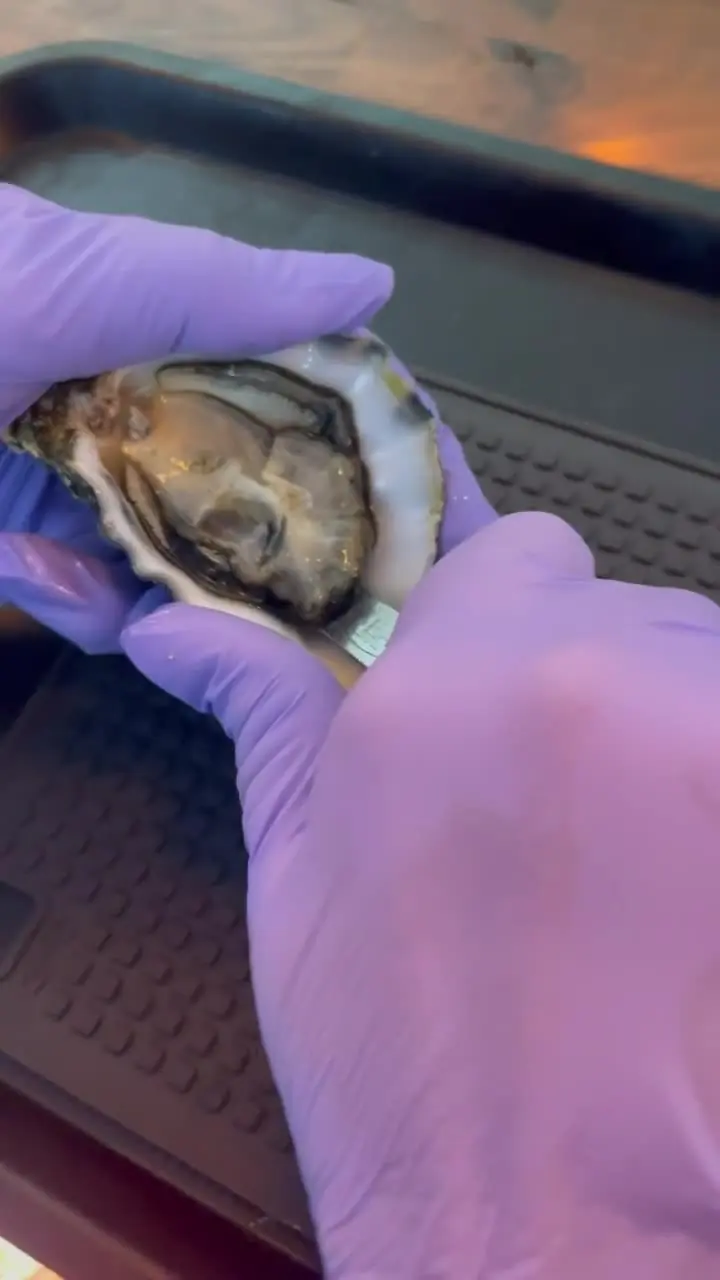
Look
The oyster should be glossy and plump, sitting in clear liquid. A dry, shrunken or cloudy-looking oyster should go back.
Smell
A fresh oyster smells of clean seawater. Any sharp or unpleasant smell means stop there.
Loosen
Run the small fork under the meat to make sure it is free from the shell, so it slides out in one go.
Sip
Tip the shell and taste a little of the seawater first. It prepares your palate for the salt.
Chew
Two or three bites before you swallow. That is where the sweet, nutty or mineral finish appears.
Hungry already?
Book your table now, it takes less than a minute. We confirm within about 15 minutes.
What to Drink with Oysters
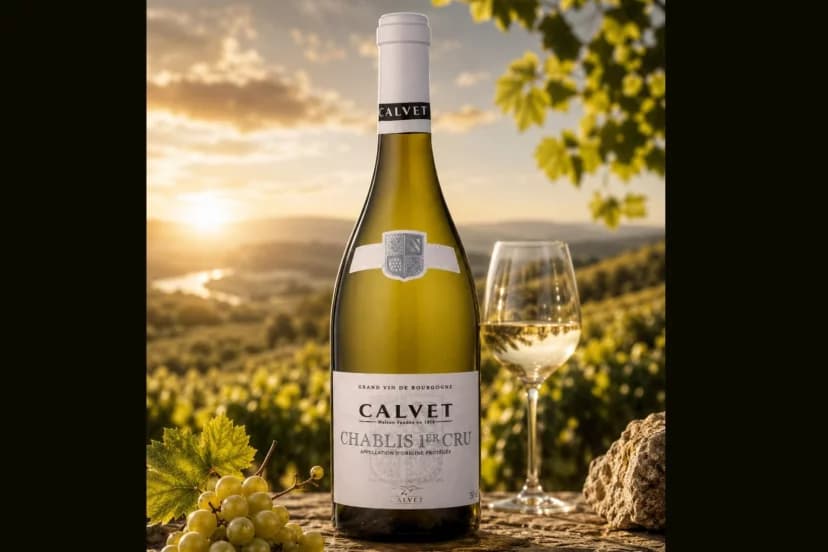
The classic rule is dry, crisp and unoaked. Oysters are salty and mineral, and they want a wine with enough acidity to cut through the brine without covering it. Chablis is the textbook match: Chardonnay from northern Burgundy, grown on limestone full of fossilised oyster shells, with a lean, flinty character. In France the everyday partner is Muscadet from the Loire, light and faintly saline.
Spain has its own answer. Albariño from Rías Baixas in Galicia grows within sight of the Atlantic and has the freshness and salty edge that oysters love, and a Verdejo from Rueda works well too. On the DioGo's list you will find Albariño, Verdejo, Pouilly-Fumé and a Chablis 1er Cru from Calvet, all of them good company for a plate of oysters.
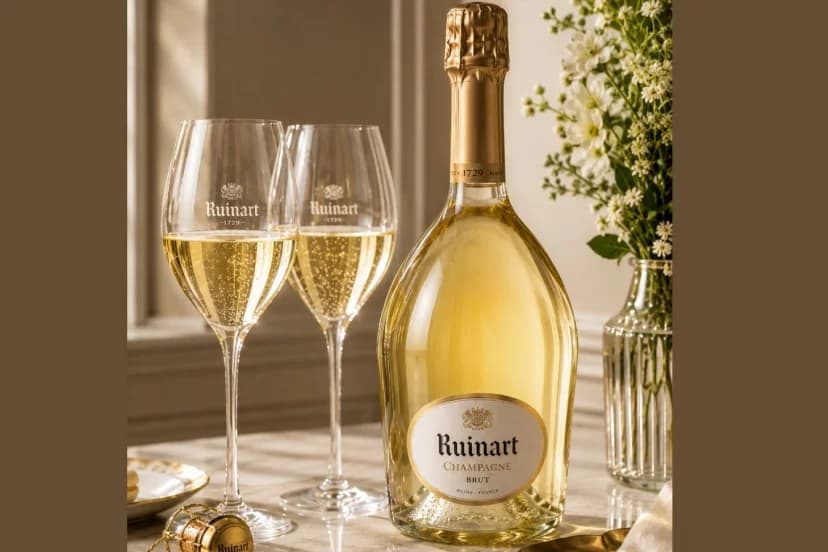
Champagne is the other great pairing, and the reason is practical: bubbles and high acidity clean the palate between oysters. A blanc de blancs, made only from Chardonnay, is the most natural partner, and Ruinart Blanc de Blancs is on the list for exactly that reason. For a celebration or a romantic dinner in Marbella, oysters and champagne are hard to beat.
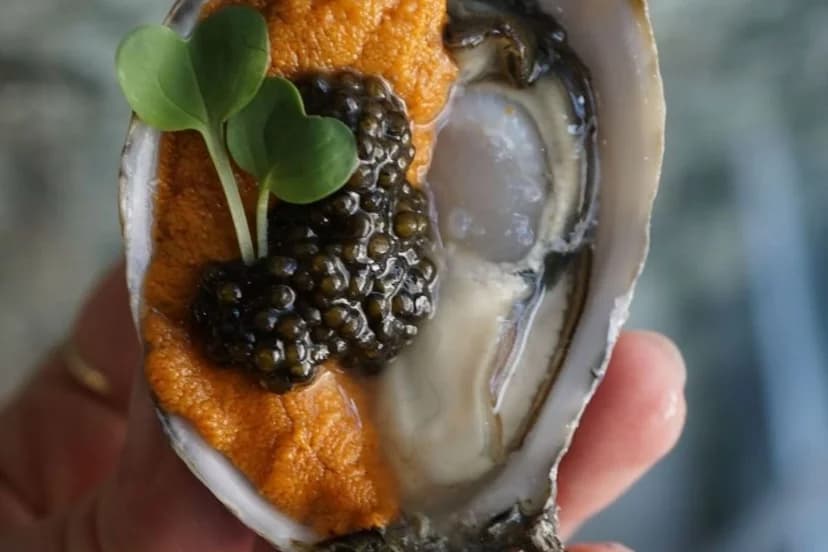
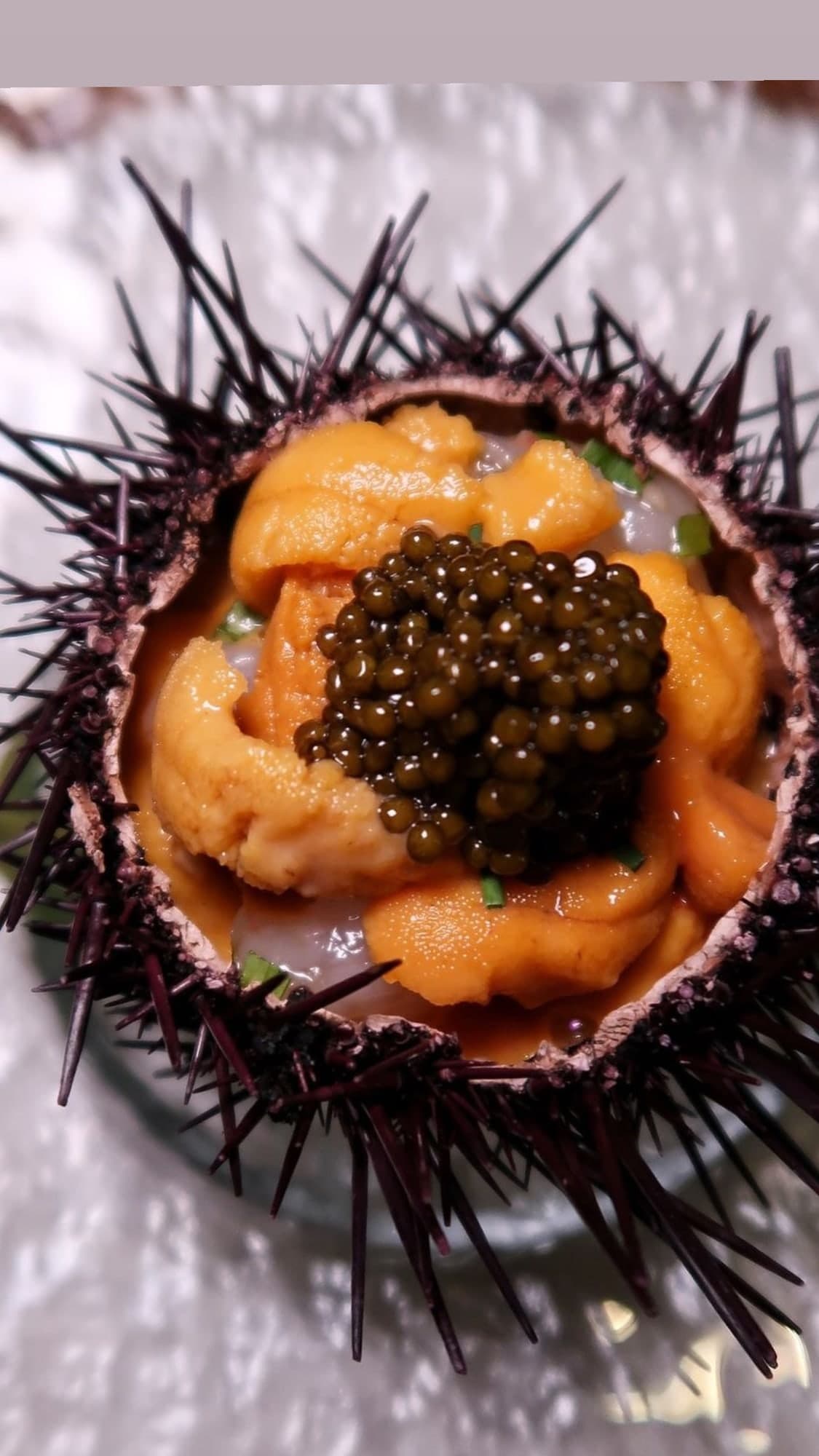
If you want to go one step further, try the bite that links oysters and caviar on the menu: an oyster topped with sea urchin and caviar. Salt, cream and the pop of the caviar grains in a single mouthful. Our caviar guide explains the different caviars and how to eat them.
How Fresh Oysters Should Look and Be Served
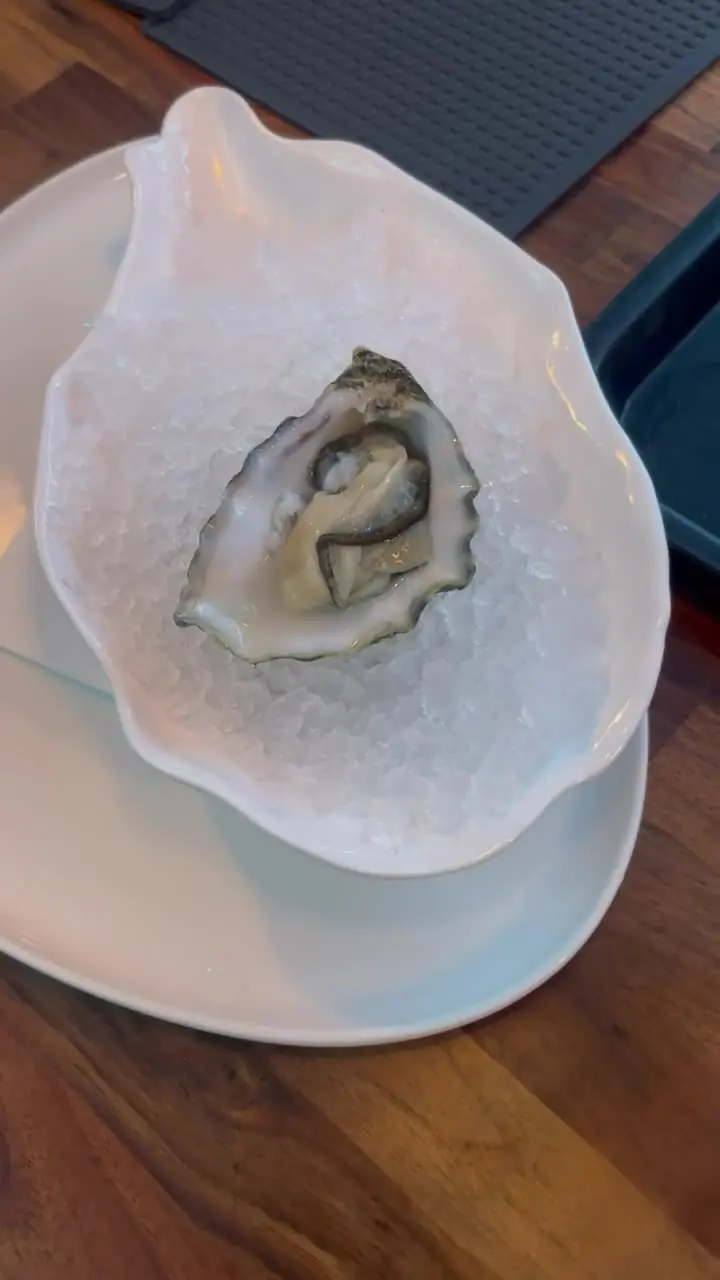
A live oyster is a closed oyster. Until it is opened it should be kept cold, cup side down so it holds its water, and its shell should be shut tight. Once it is opened, the clock starts: the liquor begins to drain and the flesh begins to dry. That is why a good restaurant opens oysters to order and serves them within minutes, on crushed ice, never from a tray prepared in advance.
On the plate, look for a clean, bright edge to the shell, plump flesh and liquid you can see through. The oyster should be cold but not frozen: crushed ice holds it at the right temperature without numbing the taste. If an oyster smells wrong or looks dry, send it back. No good restaurant will argue with you about it.
Then there is the old rule of eating oysters only in months with an R in their name, September to April. It is a tradition from the days before refrigeration, when oysters travelled warm and summer really was risky. Today, with a cold chain from the farm to the table, oysters are eaten all year round. What the rule still reflects is taste: many oysters spawn in the warm months and turn creamy, or laiteuse, milky, as the French say. Some people love that texture and others avoid it, but freshness now depends on the supplier and the cold chain, not on the calendar.
Oysters at DioGo's in Puerto Banús
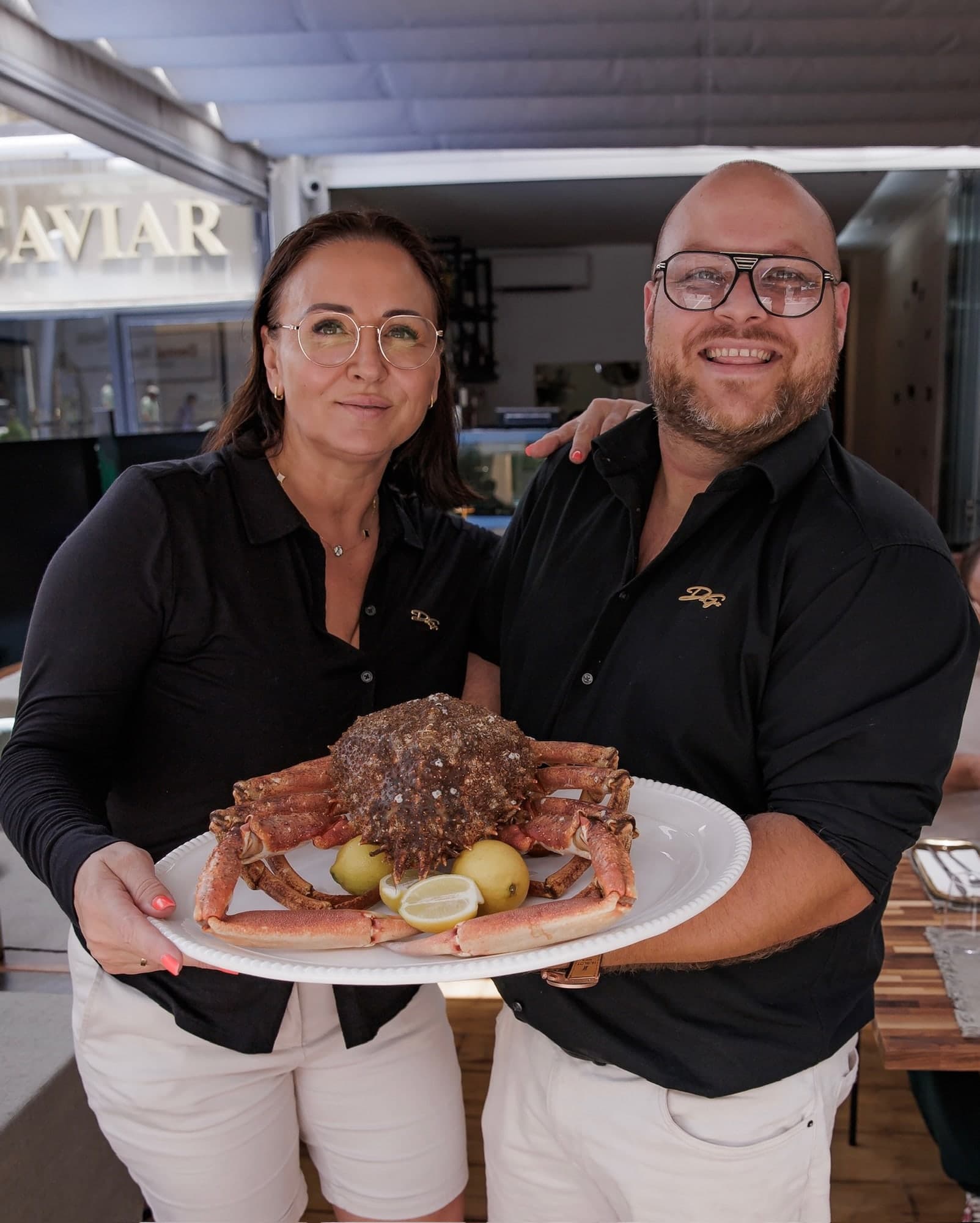
Gosia and I run DioGo's Seafood, Meat & Wine at Calle Francisco Villalón 11, two minutes' walk from the marina in Puerto Banús. I learned to cook seafood in my grandmother's kitchen in Portugal, simply and with nothing to hide behind, and oysters are the purest test of that idea. We keep seven French varieties, Gillardeau, the two Amélies, three oysters from Geay and Tarbouriech from the Thau lagoon, and we open every one to order.
If you cannot decide, order two or three different varieties and compare them side by side: tell us whether you like them mild, meaty or somewhere in between, and we will point you to the right ones. Six per person is a good start before a main course; a dozen makes a light meal with a glass of Chablis. After that, the live tank by the entrance is waiting: lobster, spiny lobster and crabs that you choose yourself and we weigh at your table before they go onto the charcoal grill. Our lobster guide explains how that works. And if you would rather not choose at all, ask about the chef's choice menu, a tasting menu selected by the kitchen.
The room is small on purpose: six seats at a walnut bar and a handful of tables on the terrace, and a dozen oysters at the bar is one of the nicest ways to spend an early evening with us. Our team speaks Polish, English, Spanish, French and Portuguese, and our guests rate us 4.9 out of 5 on Google. We are open Tuesday to Saturday from 13:00 to 22:00 and closed on Sundays and Mondays. You can see all seven oysters on our menu and book a table online, by phone or on WhatsApp; we confirm within about 15 minutes.
Frequently asked questions
Where can I eat oysters in Marbella?
At a seafood restaurant that opens its oysters to order and names the producer on the menu. In Puerto Banús, DioGo's Seafood, Meat & Wine serves seven French oysters, including Gillardeau, Amélie Fine de Claire, three Geay oysters and Tarbouriech, all opened to order. It is open Tuesday to Saturday from 13:00 to 22:00.
Which oysters are best in Marbella?
The best oysters served in Marbella are usually French: Gillardeau and Geay from Marennes-Oléron, Fine de Claire oysters such as Amélie, and Tarbouriech from the Mediterranean lagoon of Thau. Which one is best for you depends on taste: a small, mild No. 5 for beginners, a meaty spéciale for oyster lovers.
What is the difference between Gillardeau and Fine de Claire?
Gillardeau is a producer, a family oyster house in Marennes-Oléron known for fleshy, delicate oysters. Fine de claire is a way of finishing oysters: they spend their last weeks in shallow clay ponds called claires, which softens their saltiness. A Fine de Claire such as Amélie is milder; a Gillardeau is fuller and more distinctive.
What do the numbers on oysters mean?
The number is the size, and it runs backwards: No. 0 is the largest and No. 5 the smallest. A No. 3 weighs roughly 66 to 85 grams and a No. 5 roughly 30 to 45 grams. Smaller oysters are an easy first bite; larger ones are meatier.
Are oysters safe to eat in summer?
Yes, when they come from a reputable supplier and are kept cold from the farm to the table. The rule of eating oysters only in months with an R dates from before refrigeration. In summer some oysters spawn and turn creamier, which changes the texture but is not in itself a safety issue. People who are pregnant or have a weakened immune system are generally advised to avoid raw shellfish all year.
How many oysters should I order per person?
Six per person is the usual starter portion, and a dozen makes a light meal. If you are trying oysters for the first time, order two or three to begin with, ideally of different varieties, and add more once you know which one you like.
What wine goes with oysters?
A dry, crisp, unoaked white such as Chablis, Muscadet, Albariño or a Verdejo from Rueda. Brut champagne, especially a blanc de blancs, is the other classic. At DioGo's Seafood, Meat & Wine in Puerto Banús the wine list includes a Chablis 1er Cru from Calvet, Albariño and Ruinart Blanc de Blancs.
How do you eat an oyster properly?
Look at it, smell it, loosen the meat with the small fork, sip a little of the seawater, then chew two or three times before swallowing. A drop of lemon is enough; strong sauces hide the taste of a good oyster.
Is there an oyster bar in Puerto Banús?
For French oysters at a bar, DioGo's Seafood, Meat & Wine, two minutes' walk from the Puerto Banús marina, has six seats at a walnut bar and seven oyster varieties opened to order. It is a seafood restaurant rather than a stand-alone oyster bar, open Tuesday to Saturday from 13:00 to 22:00.
Can I order oysters in Puerto Banús without booking?
Booking is the safer choice, especially for dinner. DioGo's Seafood, Meat & Wine in Puerto Banús is deliberately small, with six seats at a walnut bar and a handful of terrace tables, so it can be full. Reservations are taken online, by phone and on WhatsApp and are confirmed within about 15 minutes.