
Guide
Seafood in Marbella: What to Order and How to Spot the Real Thing
By Diogo BritoPublished 10 min read
How to read a Spanish seafood menu, the difference between bogavante and langosta, how pricing by weight really works, and seven signs you have found a proper seafood restaurant in Marbella rather than a tourist trap.
Your table in three steps
Step 1 of 3
- When
- Guests
- Details
In this guide
- Why Marbella Is a Seafood Town
- How to Read a Spanish Seafood Menu
- Bogavante or Langosta? Lobster vs. Spiny Lobster
- How Pricing by Weight Works
- Seven Signs of Fresh Seafood (and How to Avoid Tourist Traps)
- Oysters: What to Order and How to Eat Them
- Caviar, Sea Urchin and the Luxury End of the Menu
- What to Order: A First Seafood Dinner in Marbella
- Where to Eat Seafood in Puerto Banús
Why Marbella Is a Seafood Town
Marbella sits on a stretch of coast where two seas almost meet. The Mediterranean washes the beaches of the Costa del Sol, and an hour down the road the Strait of Gibraltar opens onto the Atlantic. That is why a seafood menu here can put Mediterranean red prawns next to Atlantic lobster and Galician razor clams without anyone finding it strange: the fish markets of Andalucía have traded with both seas for centuries.
The local tradition is simpler than the yachts in Puerto Banús suggest. On the beach, cooks still grill espetos, sardines threaded on a cane and roasted over an open fire in an old boat filled with sand, a Málaga custom older than any marina on this coast. Pescaíto frito, small fish fried in a light batter, is the other half of that heritage. Both are worth trying at a beach chiringuito at lunchtime.
For everything else, lobster, king crab, carabineros and oysters, you want a seafood restaurant, and that is where choosing well starts to matter. Marbella has hundreds of restaurants and very different standards behind the same words on the menu. This guide is about telling them apart.

How to Read a Spanish Seafood Menu
Most seafood menus in Marbella are written in Spanish first and translated second, and the translation is where things go wrong. Langosta becomes "lobster", cangrejo becomes "crab" for three different animals, and gamba becomes "shrimp" for everything from a small pink prawn to a deep red one that costs as much as a steak. Learn the Spanish names and you will know exactly what you are ordering.
Two phrases cover most of the cooking. A la plancha means seared on a hot steel griddle; a la brasa or a la parrilla means over charcoal or wood. Both are how good shellfish should be cooked: fast, hot and simply, with olive oil, salt and lemon. If you see S/M next to a dish instead of a price, it stands for según mercado, market price. That is normal for the best shellfish, but ask for the price before you order, not after.
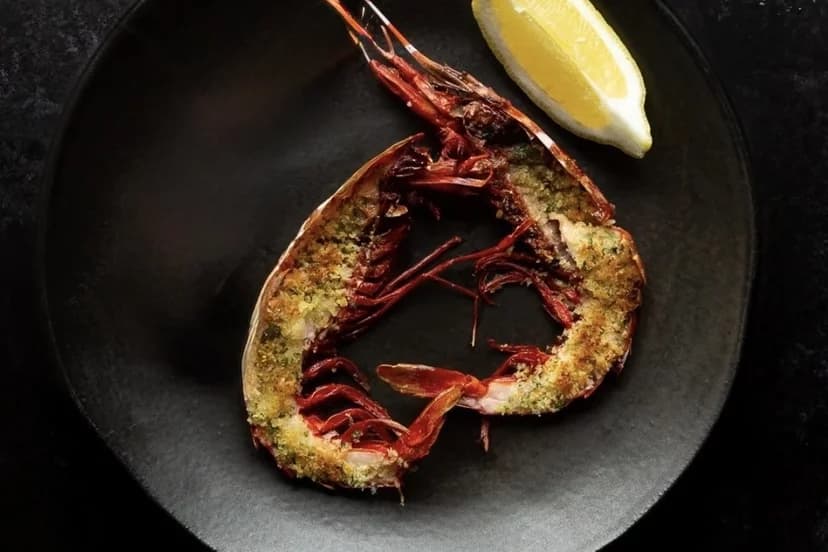
Carabineros
Carabinero prawn
Aristaeopsis edwardsiana
A large prawn the colour of a ripe cherry, from the deep Atlantic. Its head holds the most intense juice of any prawn: locals suck it, and so should you. Best a la plancha with nothing but coarse salt.
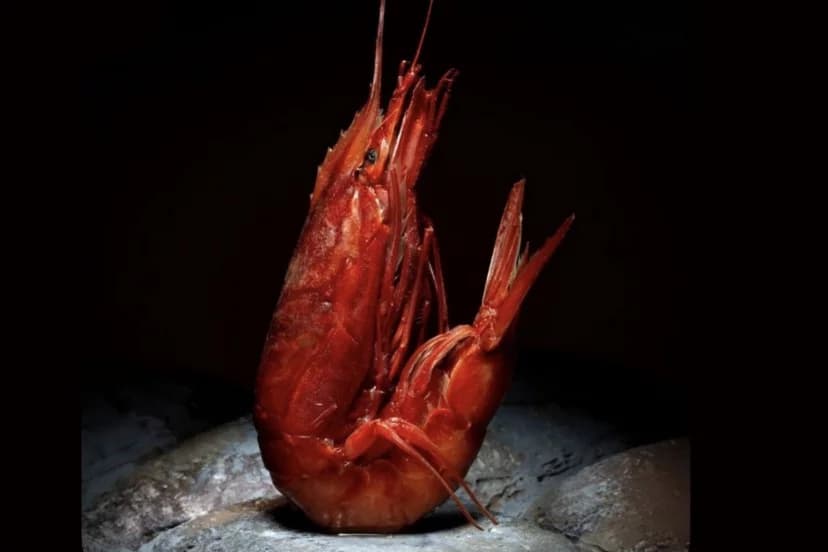
Gamba roja
Red prawn
Aristeus antennatus
Smaller and sweeter than the carabinero, fished in the Mediterranean off Denia, Garrucha and Palamós. Order it grilled whole and eat it with your fingers.
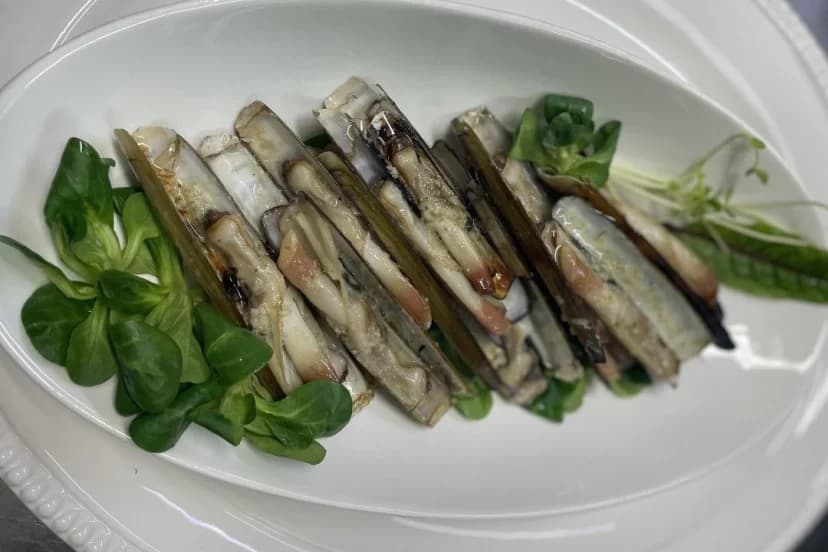
Navajas
Razor clams
Ensis magnus
Long, narrow shells that open on the griddle in under a minute. The meat is sweet and slightly firm; a squeeze of lemon and a little garlic oil are all they need.
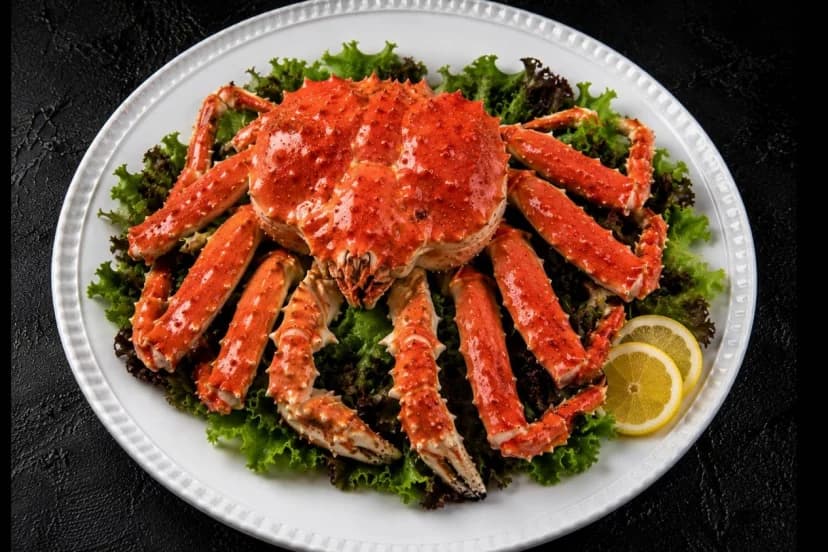
Cangrejo real
King crab
Paralithodes camtschaticus
The giant of the cold northern seas, with long legs full of sweet white meat. Usually priced per 100 grams, and a whole one weighs 1.8 to 3.5 kilos, so it is a dish for sharing.
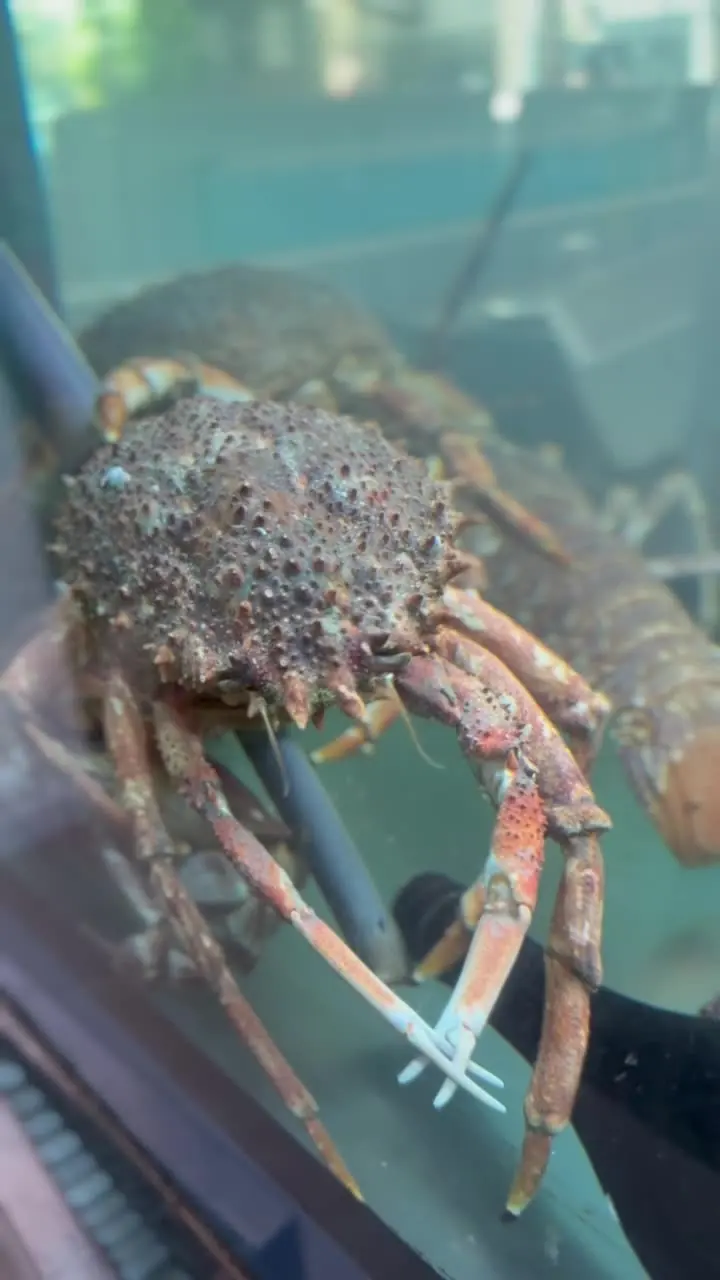
Centollo
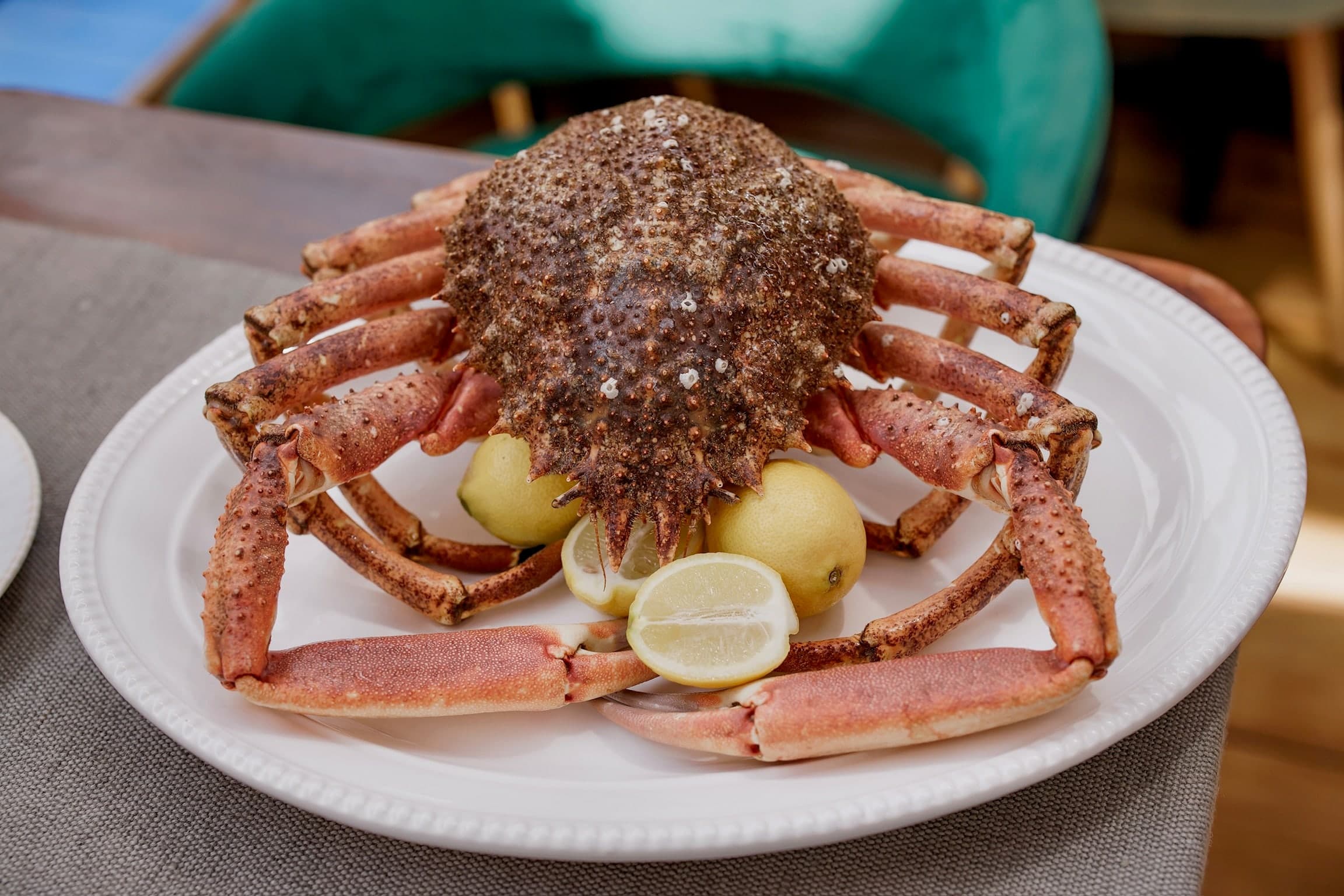
Spider crab
Maja brachydactyla
A spiny, long-legged crab from the Atlantic coast of Galicia and Portugal, prized for the rich meat and coral inside its shell. Often served with the shell itself as the bowl.
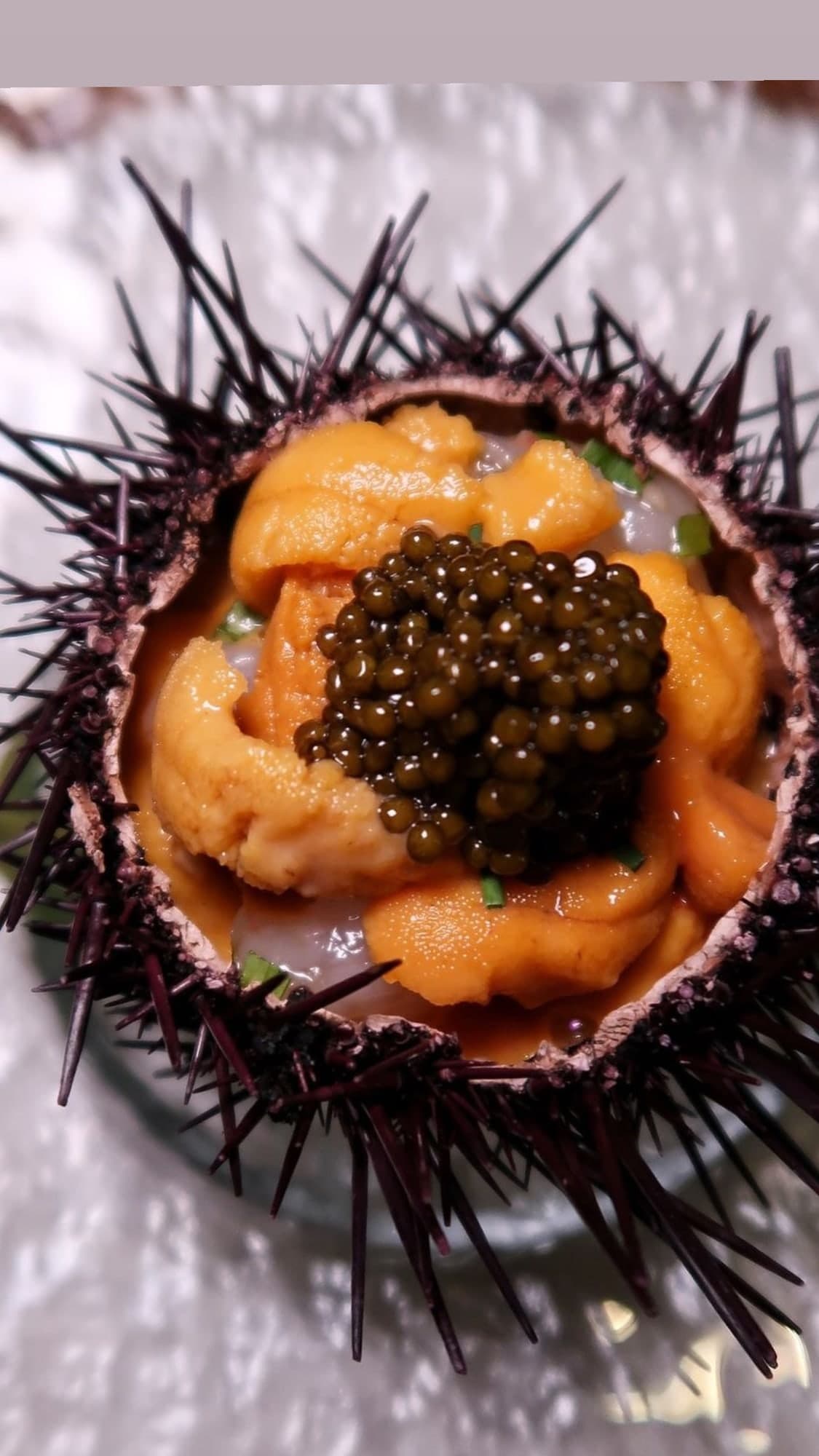
Erizo de mar
Sea urchin
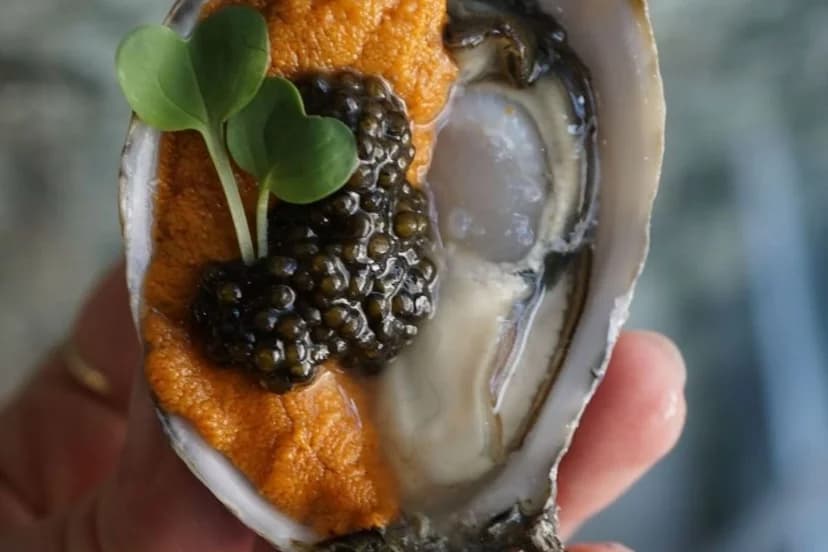
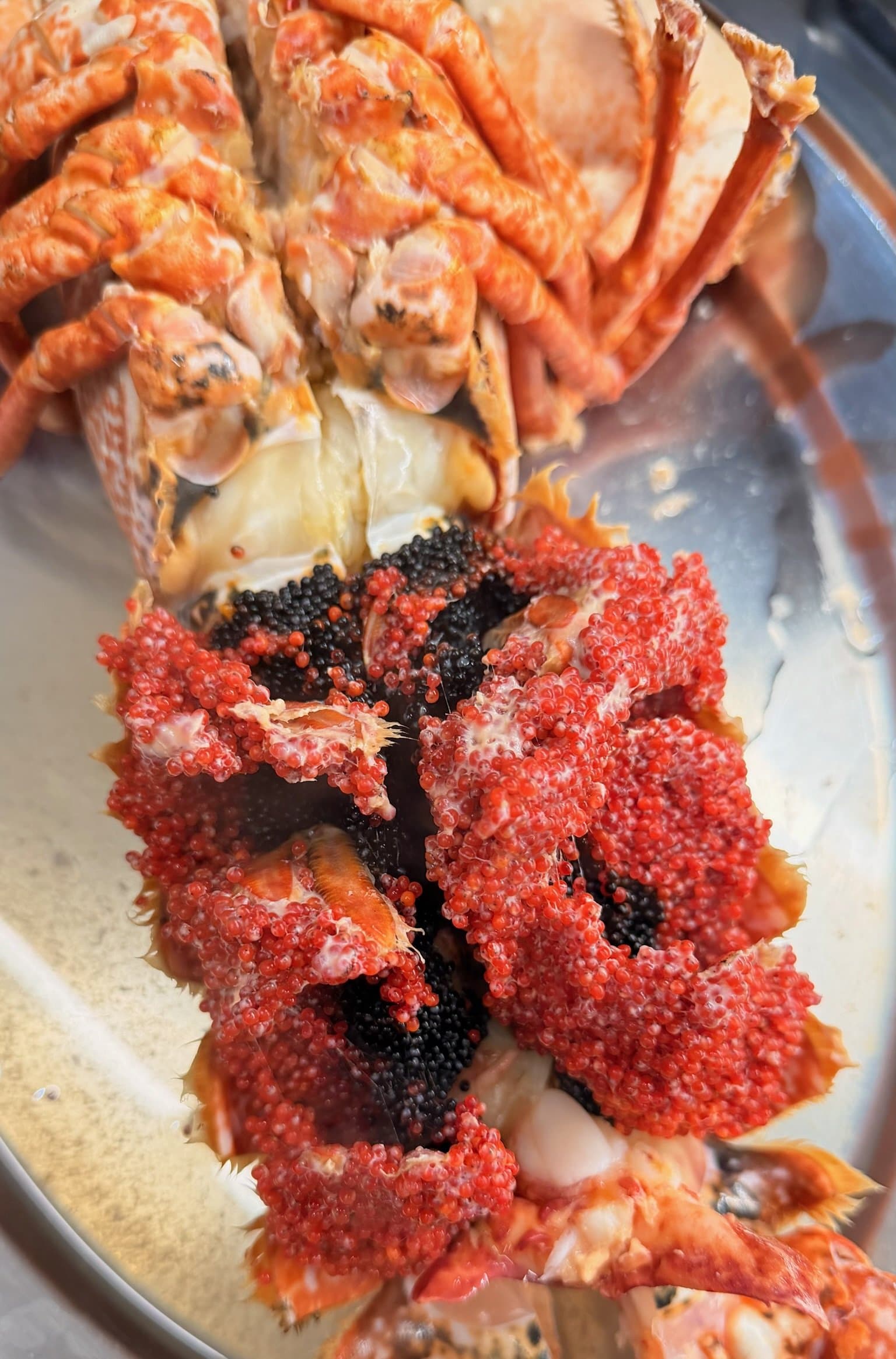
Spiky outside, bright orange and creamy inside. It tastes of the sea itself, briny, sweet and rich, and is best eaten raw with a small spoon, sometimes topped with caviar.
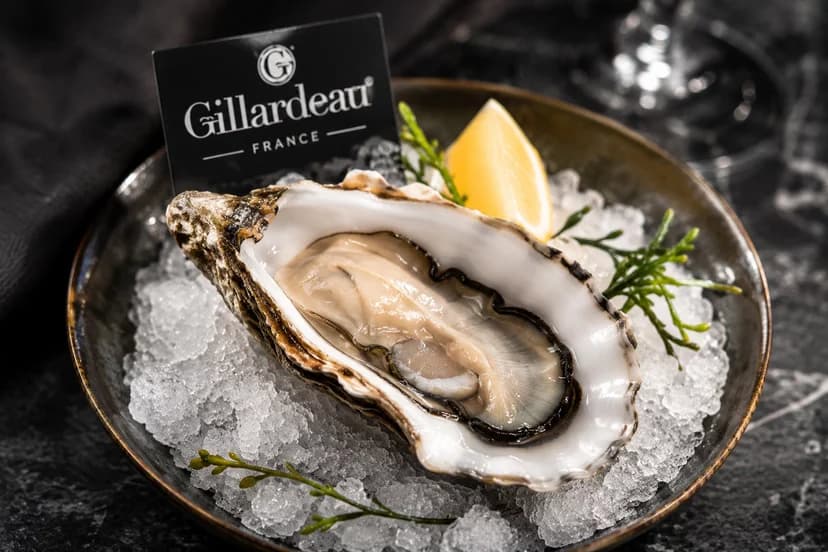
Ostras
Oysters
Crassostrea gigas
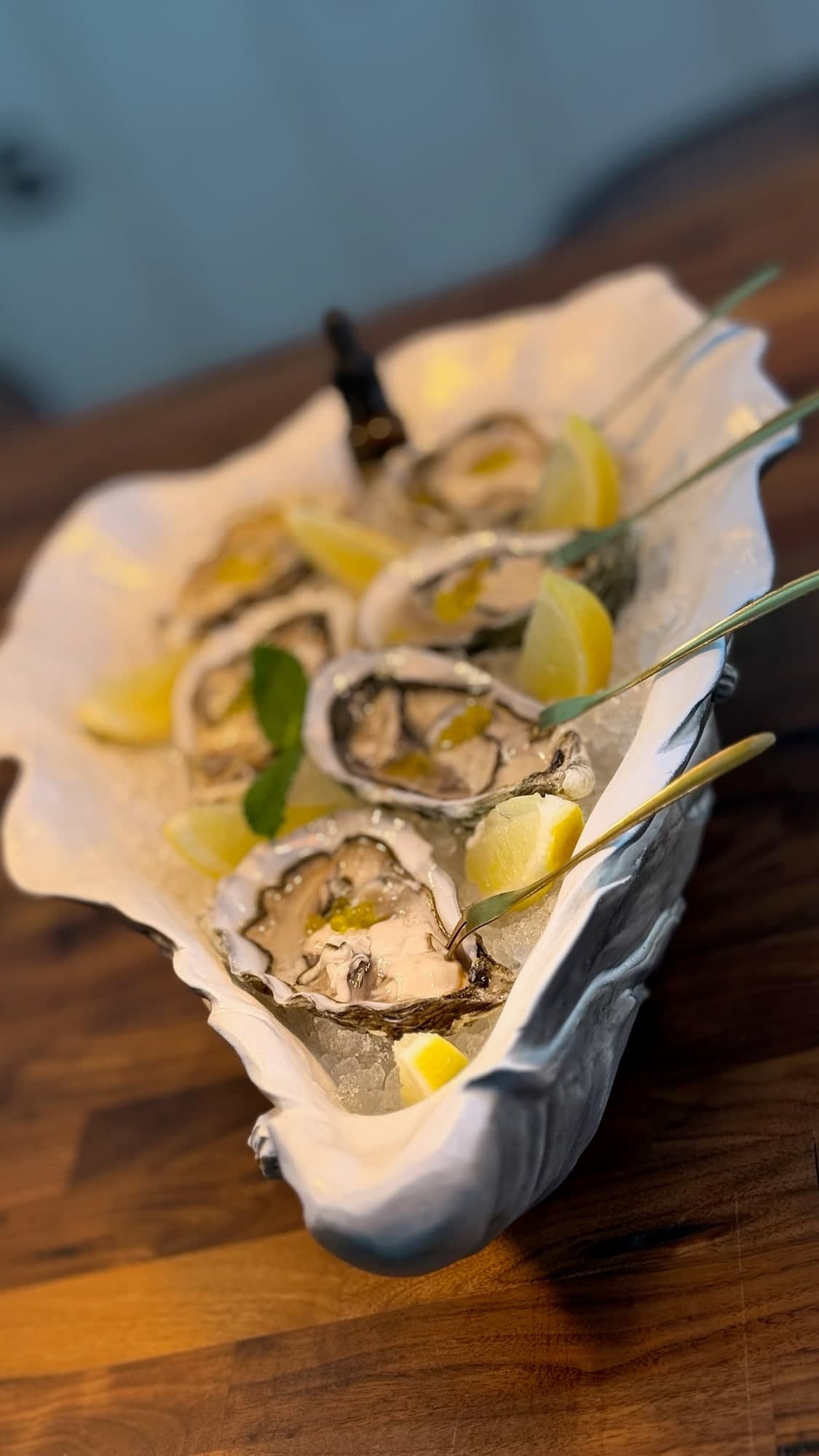
Most good oysters in Marbella come from France: Marennes-Oléron, Brittany or the Mediterranean lagoon of Thau. They should be opened in front of you, full of their own seawater.
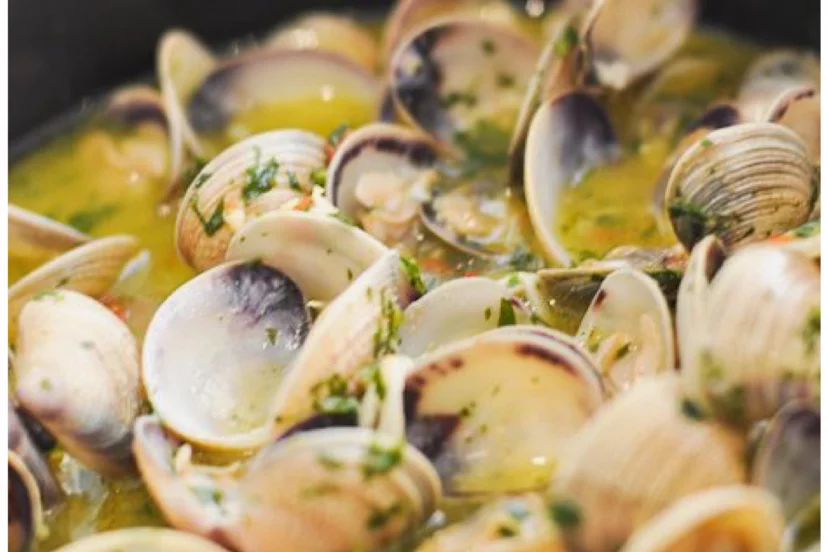
Almejas
Clams
Small, sweet clams, usually cooked in white wine and garlic or a la marinera. The sauce is the point, so order bread.
Bogavante or Langosta? Lobster vs. Spiny Lobster
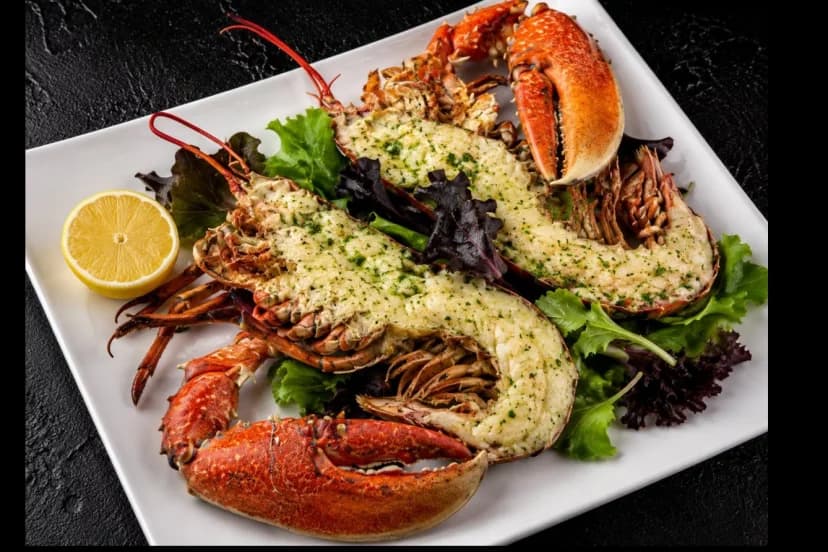
This is the most common mix-up on any Spanish seafood menu, and it is not a small one. In Spanish, bogavante is the lobster with two big claws, the animal most English speakers picture when they hear the word. Langosta is the spiny lobster: no claws at all, a rougher shell and two long antennae. Menus translate both as "lobster", and then two dishes arrive that look nothing alike.
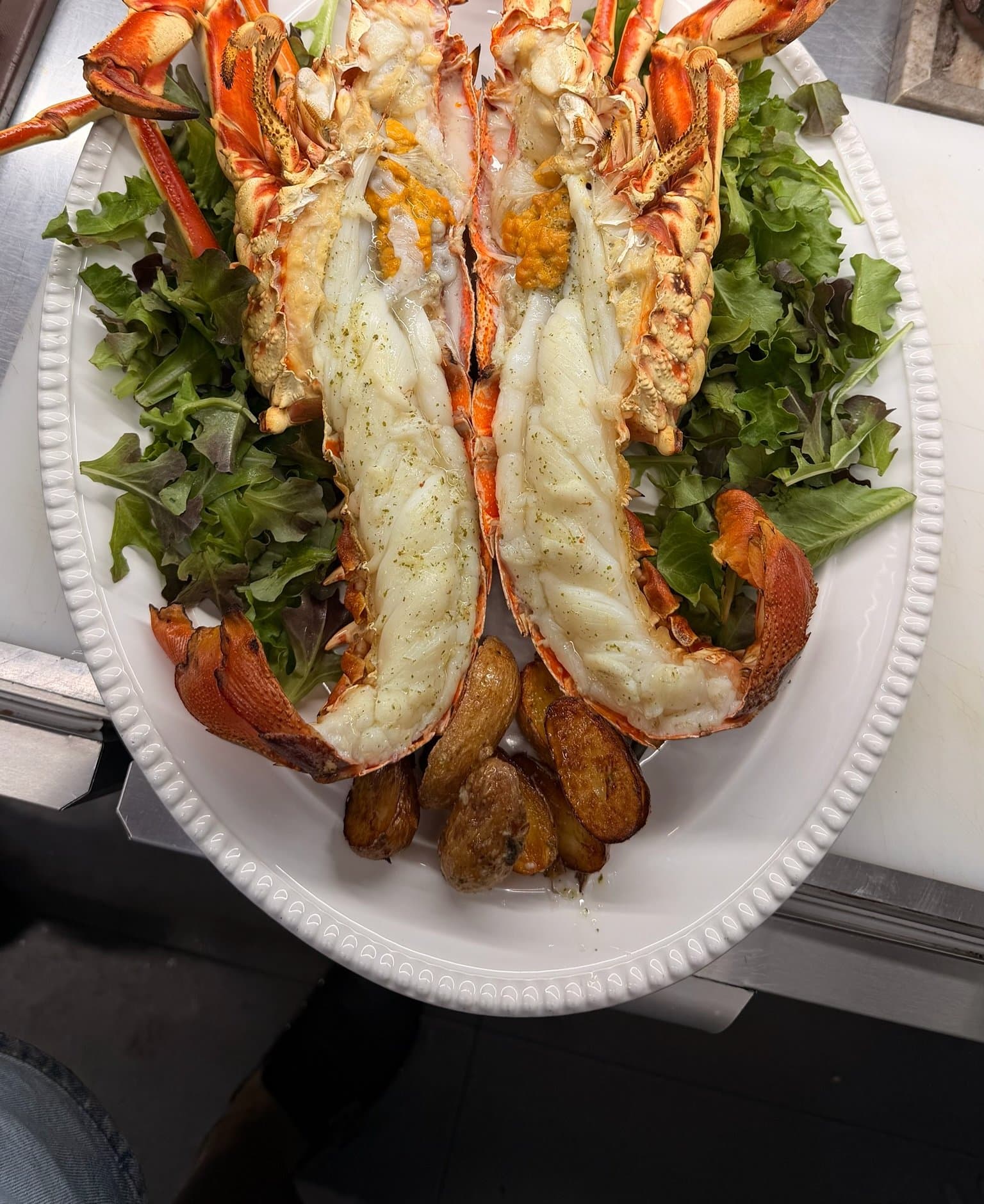
They taste different too. The bogavante's meat is sweeter and softer, and a good part of it sits in the claws. The langosta's tail is firmer, closer to a very large prawn, and it grills beautifully over charcoal. Neither is better; they are different dishes. If you care which one you get, ask to see it before it is cooked. At a proper seafood restaurant that is a completely normal request.
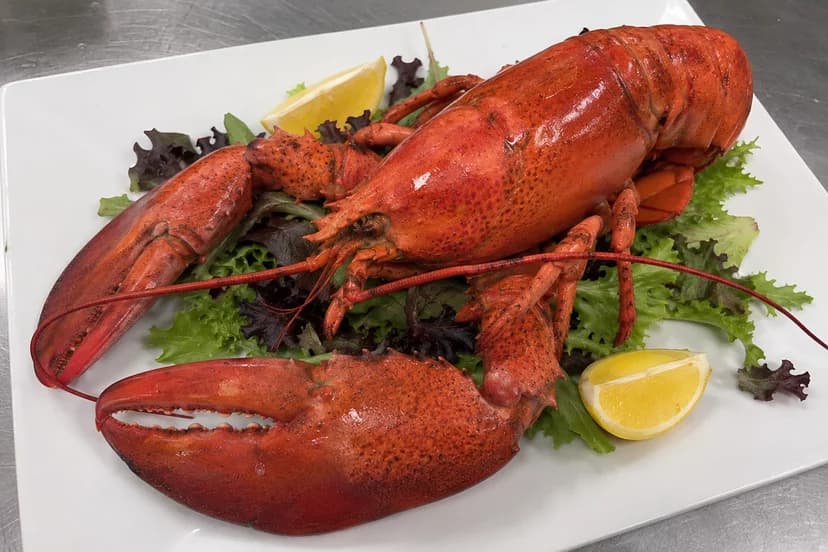
Bogavante
Lobster
Homarus
Two large claws and a smooth blue-black shell that turns bright red when cooked. Sweet, tender meat in the tail and the claws. Canadian lobster and European blue lobster are both bogavantes.
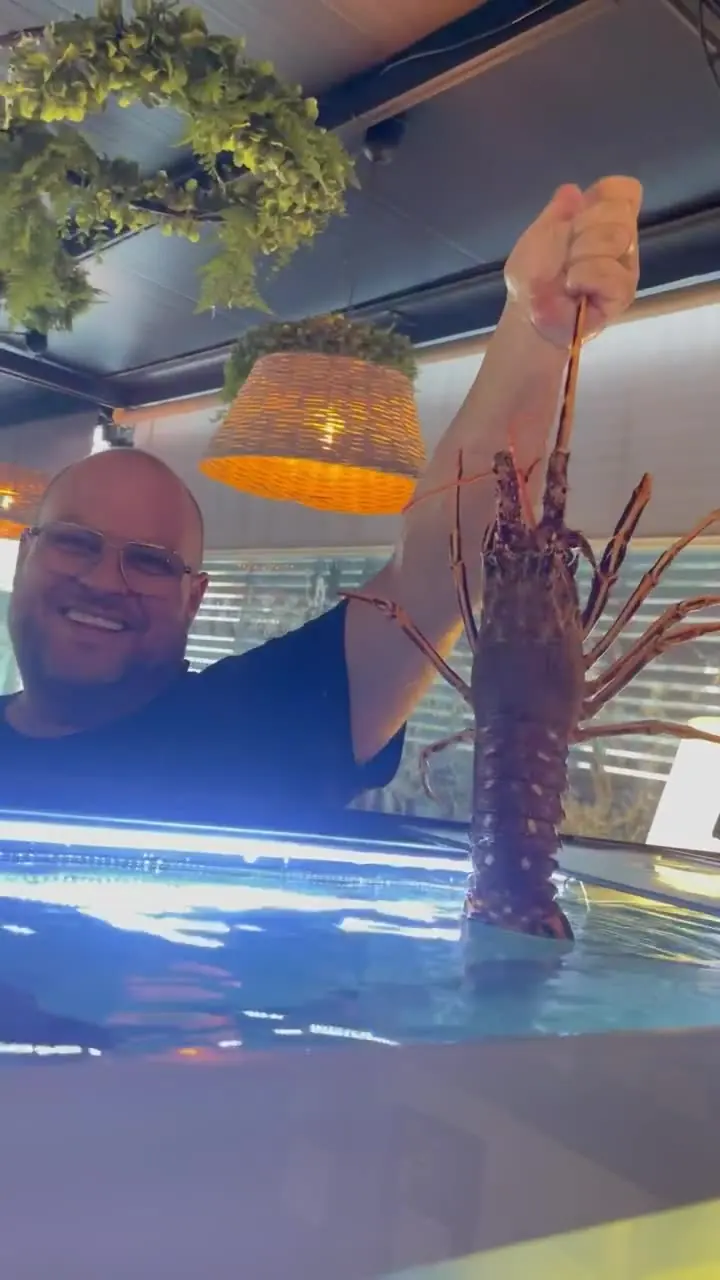
Langosta
Spiny lobster
Palinurus elephas
No claws, a spiny reddish shell and antennae longer than its body. Firm, dense tail meat that holds up well on the grill.
Hungry already?
Choose your lobster from the tank tonight. Booking takes less than a minute.
How Pricing by Weight Works
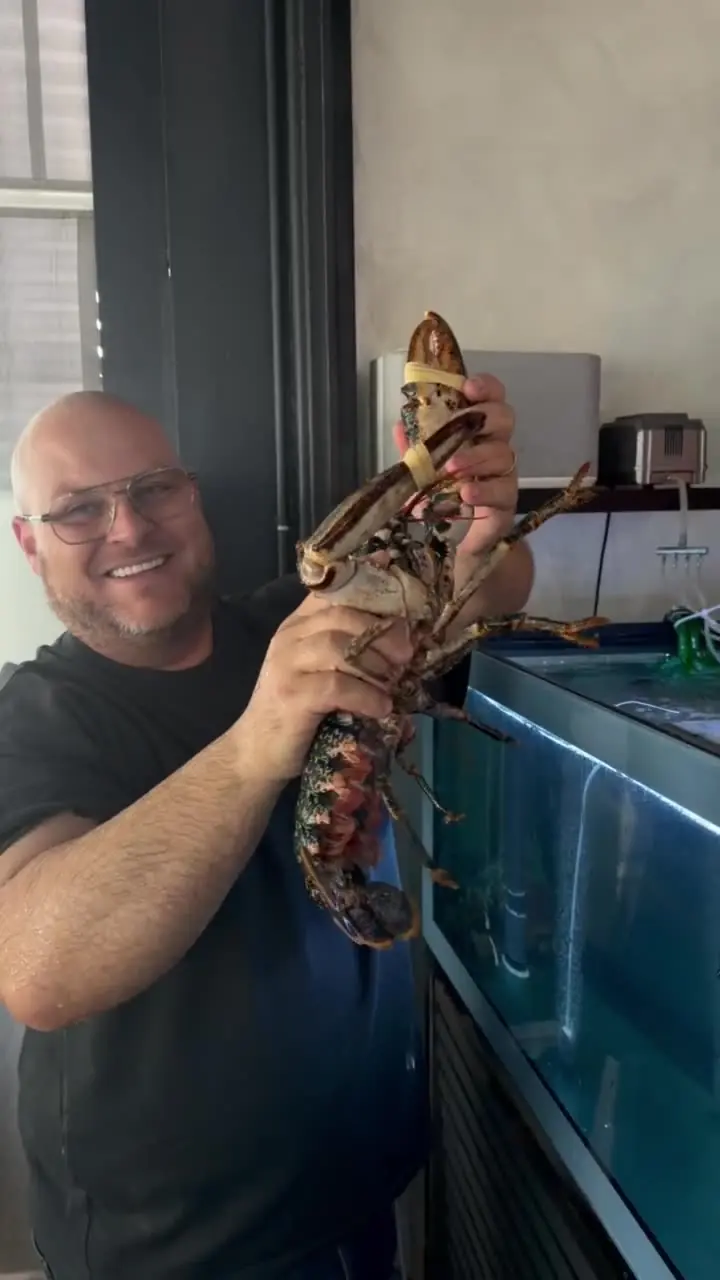
Lobster, king crab, carabineros and the best fish are sold by weight, and the price on the menu is usually per 100 grams. That is where most unpleasant surprises in Marbella come from: a figure that looks like the price of a dish is the price of a tenth of a kilo. A lobster weighs from about 700 grams to 1.4 kilos, a king crab two or three times that.
The fair way to do it, and the way every serious seafood restaurant works, is simple. You choose the animal, it is weighed in front of you, and you are told the weight and the price before it goes to the kitchen. If nobody can tell you what a whole lobster will cost before it is cooked, order something else.
The maths is easy: multiply the price per 100 grams by ten to get the price per kilo, then by the weight. For a group, sharing one king crab or a large grilled platter is often better value than four separate mains.
Prices from our menu
See the full menu- Canadian Lobster
- €18 / 100g
- Spanish Blue Lobster
- €23 / 100g
- King Crab
- €39 / 100g
- Medium red carabineros
- €35 / 100g
- Gamba Roja
- €20 / 1 pcs
- Seabass grilled
- €8 / 100g
Taken straight from the current menu, per the unit shown.
Seven Signs of Fresh Seafood (and How to Avoid Tourist Traps)
The difference between an excellent seafood dinner and an expensive disappointment is usually visible before you sit down. None of these signs is a guarantee on its own, but a restaurant that shows most of them is almost always worth it.
A live tank
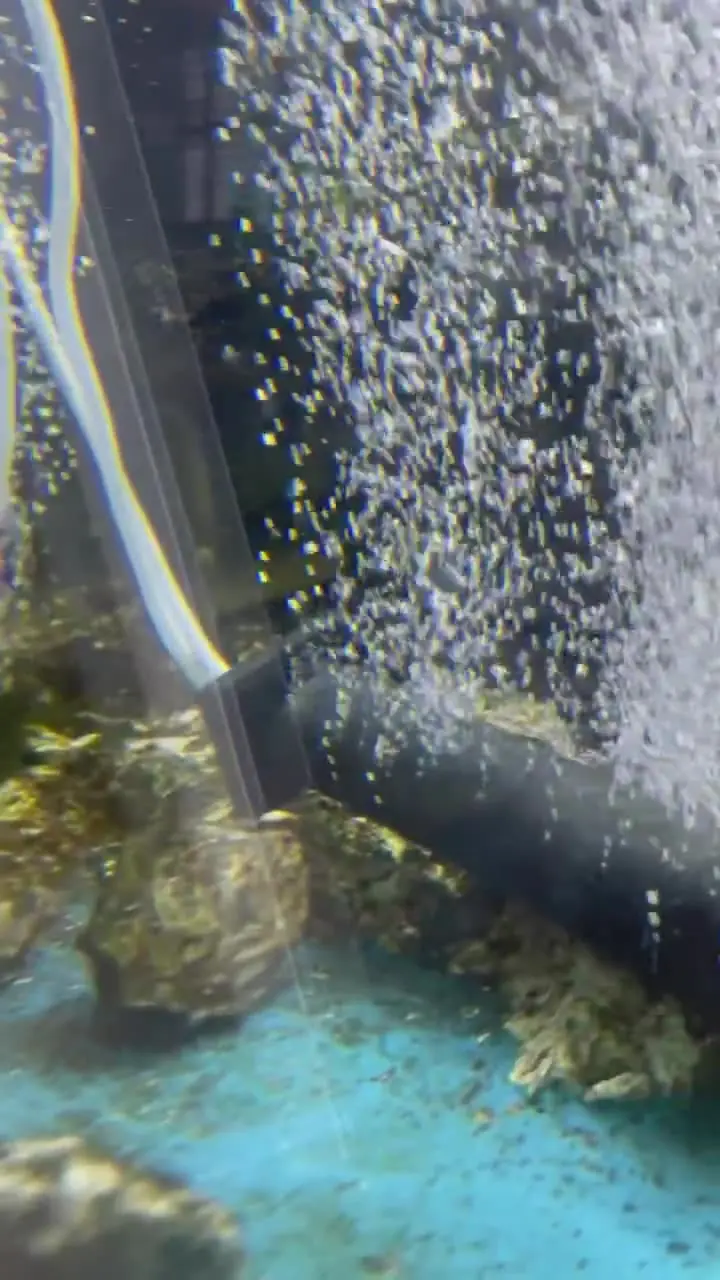
Lobsters and crabs that are still moving: antennae twitching, legs active. An empty tank, or animals lying still, tells you as much as a full one.
You choose, and see it weighed
You pick the animal, it goes on the scale in front of you, and that weight is on your bill. No choice, no scale and no clear answer: be careful.
Every price has a unit
Anything sold by weight says what the price is for: 100 grams, a kilo, a piece. A number with no unit, or S/M with nobody willing to name a figure, is where bills get inflated.
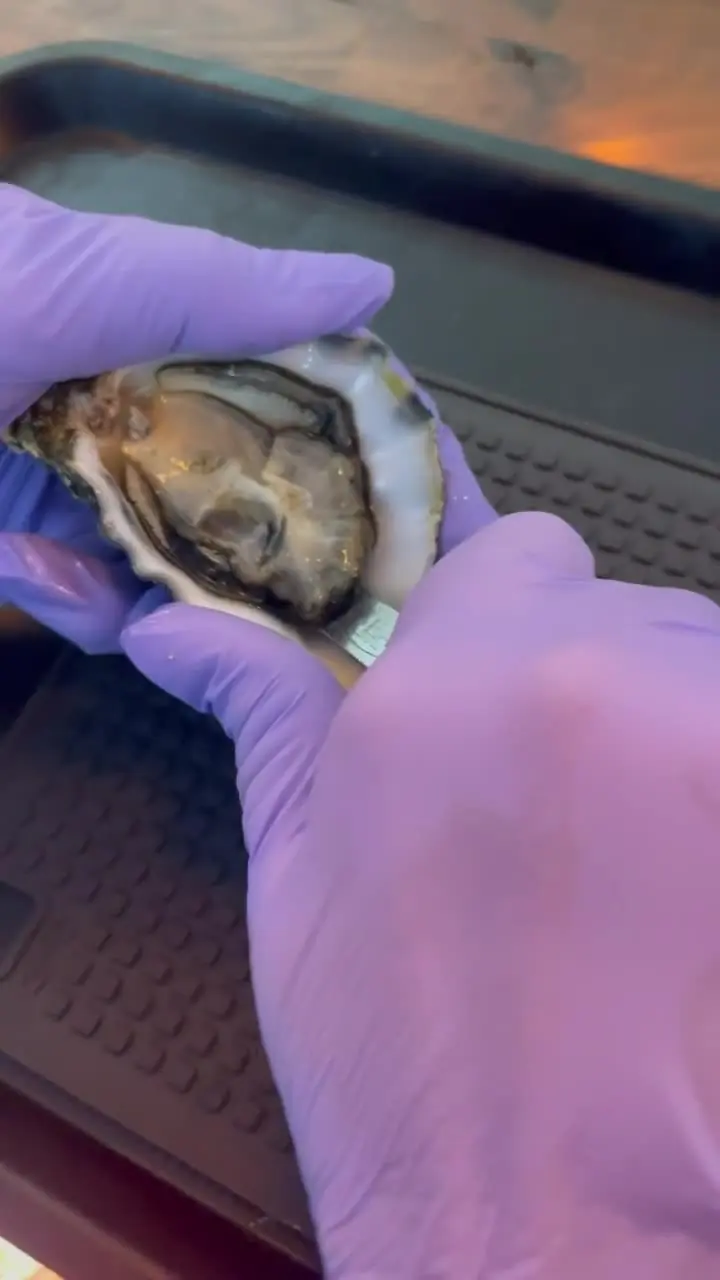
Oysters opened to order
An oyster should be opened just before it reaches you, sitting in its own clear seawater. Pre-opened oysters drying on a tray have lost the best part.
It smells of the sea, not of fish
Fresh shellfish smells clean, briny and slightly sweet. A strong fishy smell anywhere near the kitchen is the clearest warning there is.
A short menu
Seafood is seasonal and fresh stock runs out. A laminated menu with photographs and two hundred dishes cannot be buying fresh every morning.
Nobody pulls you in from the street
Good seafood restaurants in Marbella rarely need someone on the pavement calling out to passers-by. Their tables are booked by people who have been before.
Hungry already?
Choose your lobster from the tank tonight. Booking takes less than a minute.
Oysters: What to Order and How to Eat Them
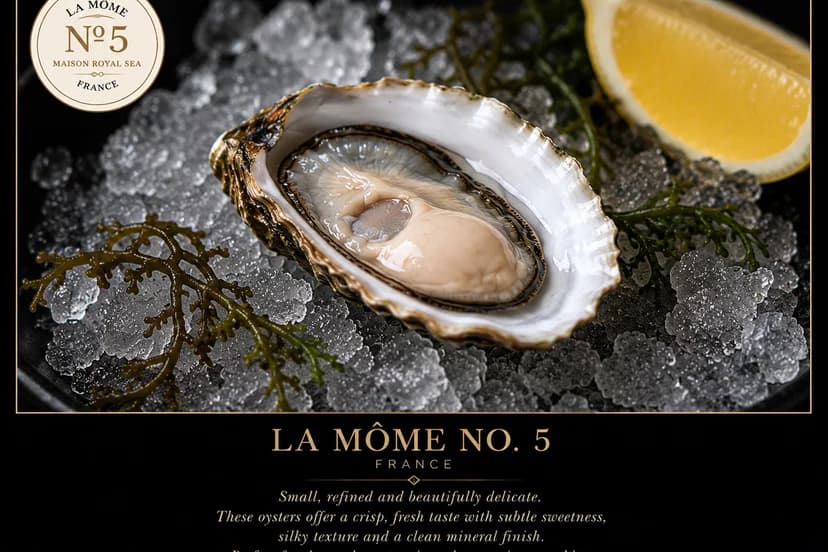
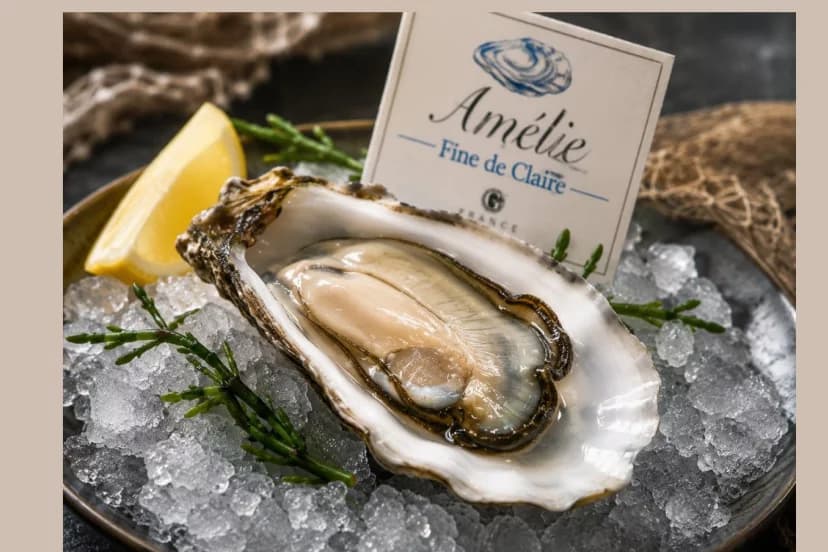
Almost all the good oysters served in Marbella are French, and the name on the menu tells you where they grew. Gillardeau is a family house from Marennes-Oléron on the Atlantic coast, known for fleshy, sweet oysters with a hazelnut finish. Fine de Claire oysters, such as Amélie, spend their last weeks in shallow clay ponds that soften their saltiness. Geay, another family producer from the same basin, sells its oysters by number and character. Tarbouriech oysters come from the Thau lagoon on the Mediterranean and are known for pale, pinkish shells and a delicate sweetness.
Size numbers work backwards: the lower the number, the bigger the oyster. If you are new to them, order a mix. Look at the oyster first: it should be glossy and sitting in clear liquid. Loosen it with the small fork, taste the seawater, then chew once or twice before you swallow, because that is where the flavour is. Lemon is fine; hot sauce hides everything a good oyster has to offer.
Caviar, Sea Urchin and the Luxury End of the Menu
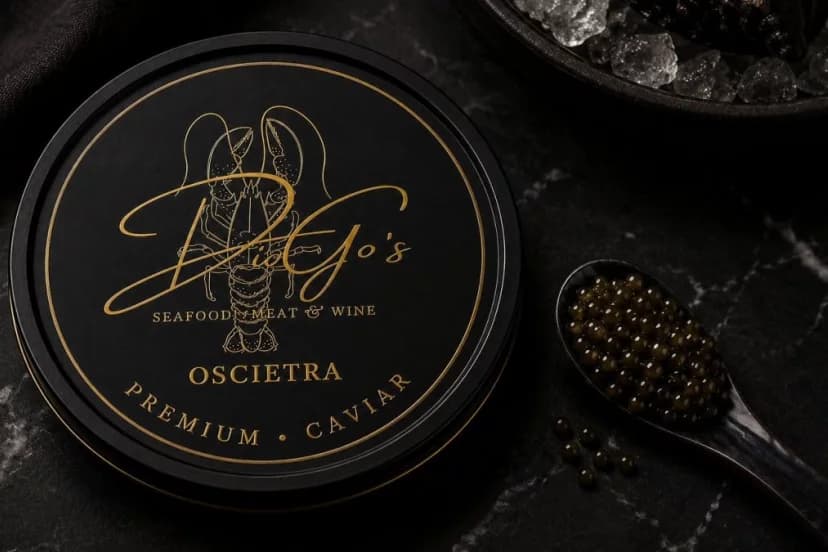
Marbella is one of the few places on the Spanish coast where a seafood restaurant keeps several caviars at once. The names describe the sturgeon. Oscietra has medium grains with a nutty, buttery taste. Beluga has the largest and most delicate grains. Baerii is smaller, firmer and more direct. Almas, the rarest and palest of them, has golden grains.
Caviar should be served cold, on a mother-of-pearl or bone spoon rather than metal, and eaten on its own or with something neutral. The most memorable way to try it in Marbella is on sea urchin: the creamy, briny urchin and the salty burst of the caviar are made for each other.
What to Order: A First Seafood Dinner in Marbella
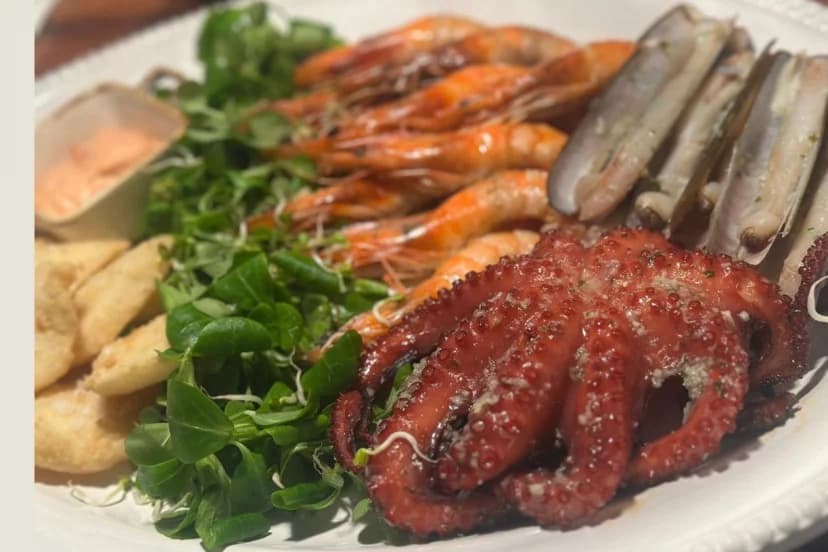
A good first seafood dinner follows the sea from cold to hot. Start with half a dozen oysters and a plate of razor clams from the griddle. Then share one centrepiece chosen from the tank, a lobster or a spiny lobster, grilled and split at the table, with a simple salad and potatoes. If you are four, a king crab or a large grilled seafood platter goes further than four separate mains.
Wine is easy: a cold Albariño from Galicia or a Verdejo from Rueda with the shellfish, a fuller white or a light red if the table also orders fish or meat. And leave room for the end, when a spoonful of caviar on sea urchin turns a good dinner into the one you talk about on the way home.
Where to Eat Seafood in Puerto Banús
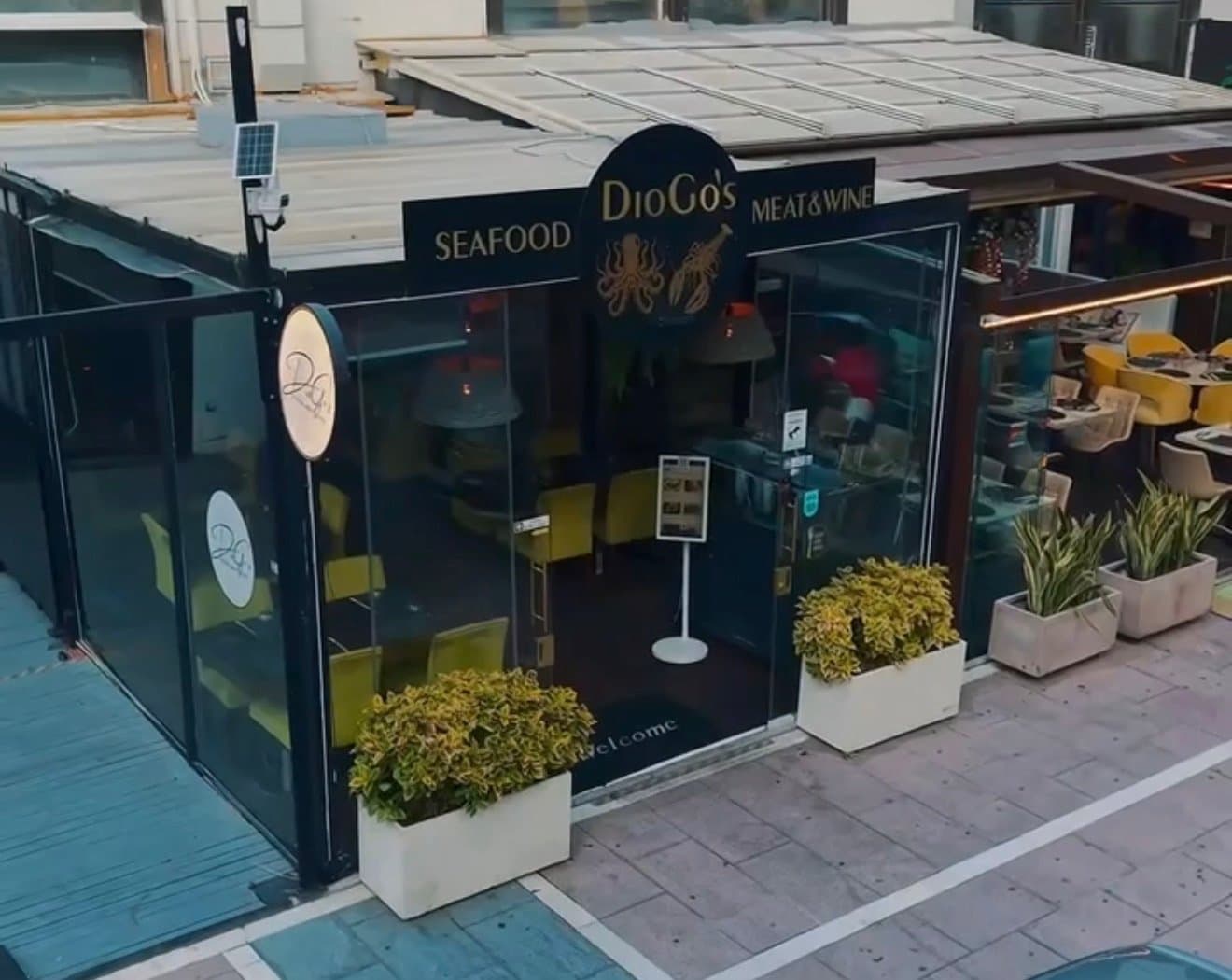
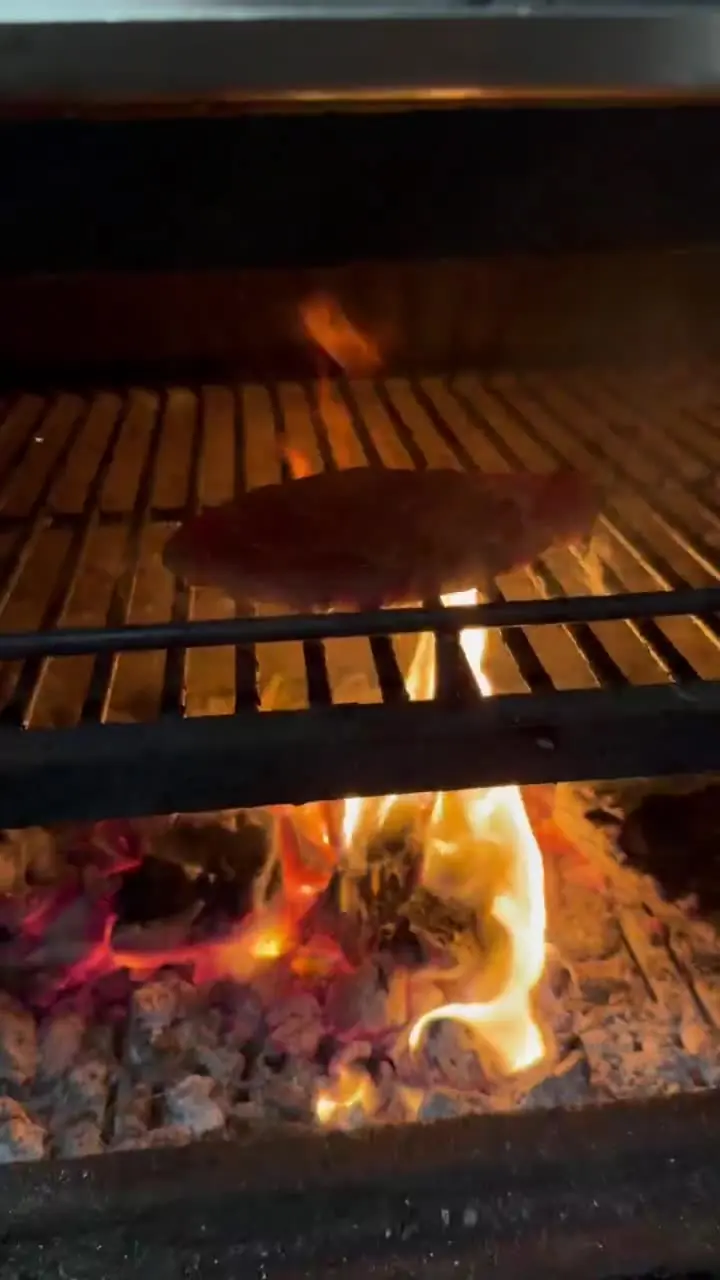
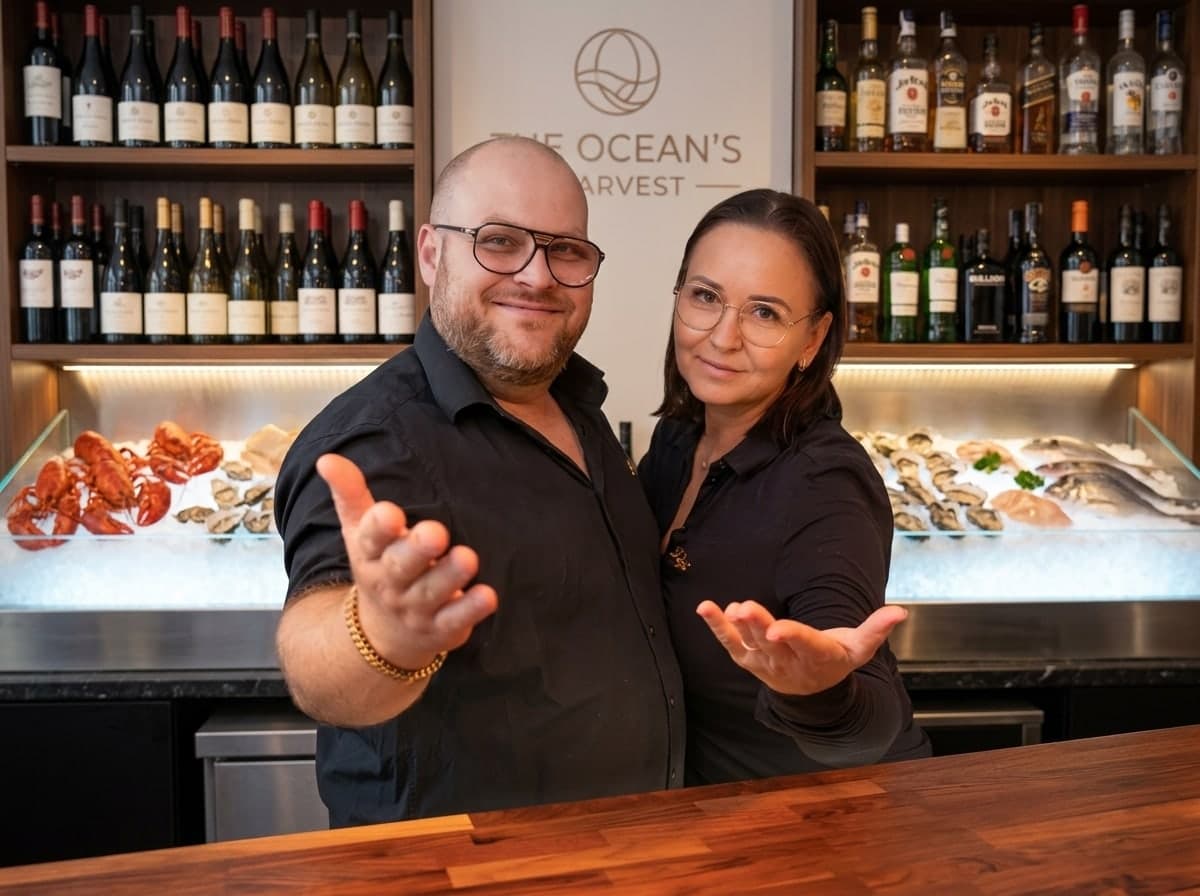
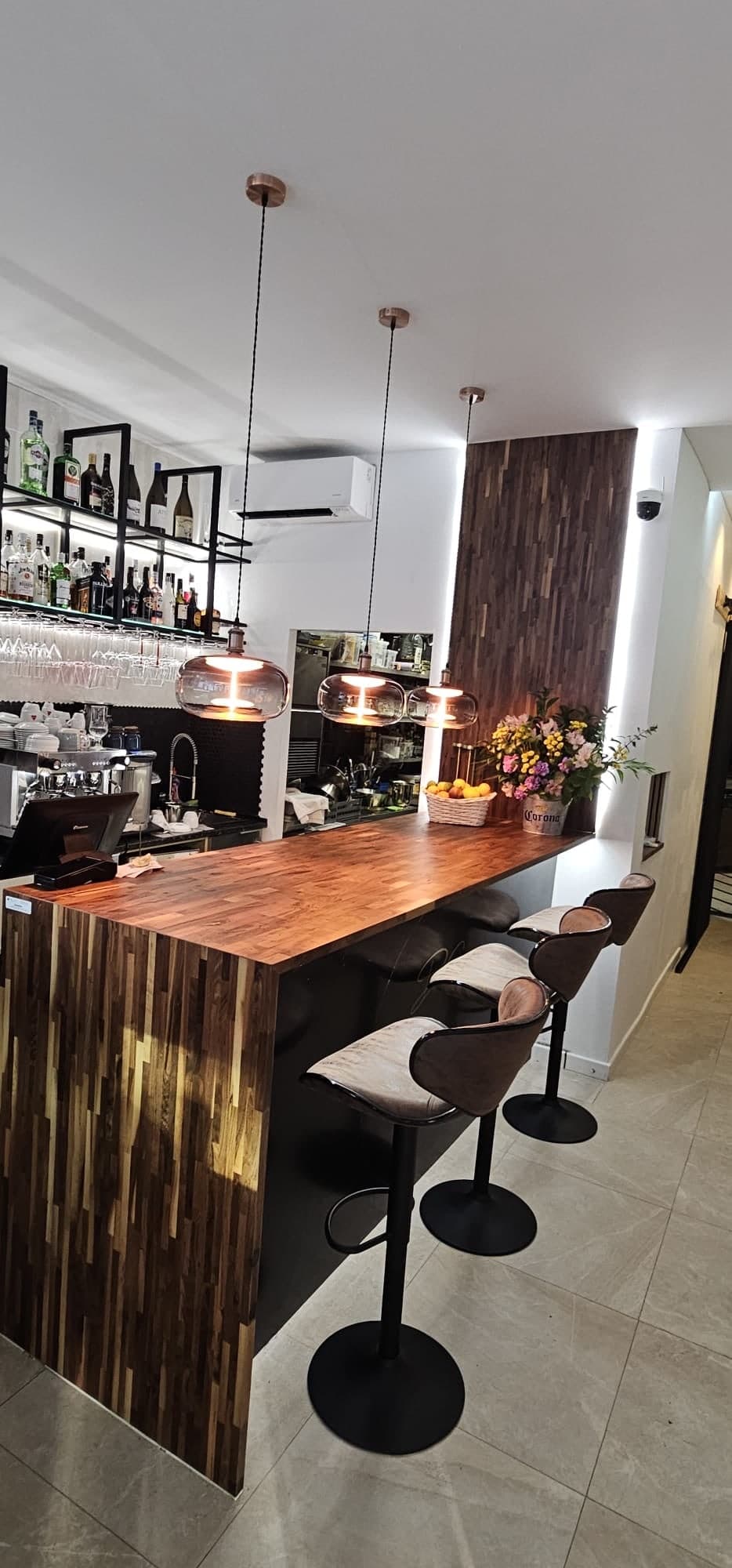
If you want everything in this guide in one place, come and see us. DioGo's Seafood, Meat & Wine is the seafood restaurant Gosia and I run in Puerto Banús, two minutes' walk from the marina, at Calle Francisco Villalón 11. The live tank is by the entrance. You choose your lobster, spiny lobster or crab yourself, and we weigh it at your table before it goes onto the charcoal grill.
My kitchen is Portuguese at heart. I learned to cook seafood in my grandmother's kitchen in Portugal, simply and over charcoal, and that is still how we work: olive oil, lime, salt and fire, nothing to hide behind. Gosia runs the room. Our team speaks Polish, English, Spanish, French and Portuguese, and it is usually one of the two of us who seats you.
Our menu covers everything above: Canadian and European blue lobster, spiny lobster, king crab, carabineros and red prawns, razor clams, seven French oysters, sea urchin and a caviar list, plus grilled fish and meat for anyone at the table who does not eat shellfish. Our guests rate us 4.9 out of 5 on Google. We are open Tuesday to Saturday from 13:00 to 22:00 and closed on Sundays and Mondays. For dinner, book ahead.
Frequently asked questions
Where can I eat good seafood in Marbella?
For a simple lunch by the sea, a beach chiringuito serving espetos and pescaíto frito. For lobster, king crab, carabineros and oysters, look for a restaurant with a live tank and prices by weight shown with their unit. In Puerto Banús, DioGo's Seafood, Meat & Wine keeps a live tank by the entrance and weighs every lobster at the table before grilling it over charcoal.
What seafood is Marbella known for?
Espetos de sardinas, sardines grilled on canes over an open fire on the beach, are the local classic, along with pescaíto frito. Seafood restaurants add Mediterranean red prawns, Atlantic carabineros, lobster, razor clams and French oysters.
What is the difference between bogavante and langosta?
Bogavante is the lobster with two large claws. Langosta is the spiny lobster, which has no claws and long antennae. Spanish menus often translate both as "lobster", so ask to see it before it is cooked.
How much does lobster cost in Marbella?
Lobster is sold by weight, usually priced per 100 grams, and a whole lobster weighs from about 700 grams to 1.4 kilos. Multiply the price per 100 grams by ten, then by the weight. Ask the restaurant to weigh it and tell you the total before it is cooked.
What does S/M mean on a Spanish menu?
S/M stands for según mercado, market price: the price follows the day's catch. It is normal for top shellfish, but always ask for the exact price before you order.
How can I tell if seafood is fresh?
Look for a live tank with active animals, oysters opened to order, a clean smell of the sea rather than of fish, and a restaurant that weighs your shellfish in front of you.
Which oysters should I order in Marbella?
Gillardeau for fleshy, sweet oysters with a nutty finish, a Fine de Claire such as Amélie for a milder taste, and Tarbouriech from the Mediterranean for a delicate sweetness. The lower the size number, the bigger the oyster.
Do I need to book a seafood restaurant in Puerto Banús?
For dinner, yes, especially from Thursday to Saturday and in summer. DioGo's is open Tuesday to Saturday from 13:00 to 22:00 and takes reservations online, by phone and on WhatsApp.
More from the blog